

























































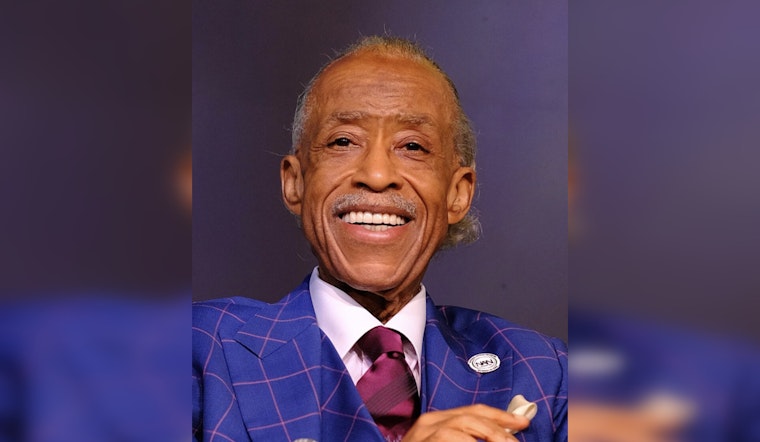
Rev. Al Sharpton is now in the middle of New York City’s high-stakes fight over short-term rentals, after Airbnb quietly brought him and other Black leaders on board to press City Hall to ease the rules. Organizers say the outreach is zeroing in on neighborhoods such as Harlem, Bedford-Stuyvesant and Jamaica, adding a fresh political wrinkle to a battle already unfolding in the City Council and in court.
As reported by the New York Post, Airbnb has held outreach events in those neighborhoods and sought backing from faith leaders and community organizers. Those allies argue that the city’s crackdown has unintended consequences for small Black homeowners who use short-term rentals to help cover their bills. According to the Post, the effort is part of a broader push to reframe home-sharing as an economic lifeline for some owners heading into the summer tourism season.
What the Council Proposal Would Change
The policy fight centers on a City Council bill introduced April 30 that would loosen rules for owner-occupied one- and two-family homes. As outlined by the New York City Council, Int. 0879-2026 would increase the number of allowable overnight boarders to four, let owner-occupants host guests without being physically present and tweak common-household rules, while keeping existing fire-safety requirements in place.
Mamdani’s Enforcement Push
Mayor Zohran Mamdani’s administration has been leaning on enforcement in recent months, filing lawsuits against landlords the city says turned rent-regulated apartments into short-term hotel rooms. In a city press release the mayor cast the effort as a way to protect scarce housing for residents, stating, “New York City’s rent-regulated buildings exist to house New Yorkers, period.” The City of New York also laid out the legal basis for going after operators who allegedly violate Local Law 18.
Airbnb’s Pitch to Neighborhoods
Airbnb has told community leaders that short-term rentals are a crucial income stream for homeowners in Black and immigrant neighborhoods during big events and peak tourism periods. The company told the New York Post that, nearly three years after the crackdown began, “rent is higher than ever and virtually no additional housing has been added to the market.”
Enforcement, Compliance and Industry Reaction
City officials counter that platforms could still do more to keep illegal listings off their sites, even with registration and verification rules in place. The travel outlet Skift reported that the Office of Special Enforcement’s executive director said Airbnb is complying with verification requirements but could prevent registered hosts from switching legitimate listings into unlawful whole-unit stays.
Why This Fight Hits Harlem, Bed-Stuy and Jamaica
City Council committee chairs recently refused to back a short-term pause on enforcement ahead of the World Cup, after housing advocates and labor groups warned that easing the rules would pull long-term apartments out of circulation, The Real Deal reported. Unions and tenant organizations argue that allowing more unhosted or higher-occupancy stays would fuel displacement and higher rents in working-class neighborhoods.
Legal Angle
The entire dispute is built on Local Law 18, the 2022 registration and verification system that largely bans unhosted stays under 30 days and blocks registration in rent-regulated units. The Mayor’s Office of Special Enforcement has published the rules and guidance that control registration, verification and enforcement, and any Council tweak would have to fit within those legal boundaries.
For now, the clash is likely to keep playing out on two fronts, at the block level and inside City Hall, with more town halls, committee hearings and court filings all but certain before anyone reaches a political or legislative compromise. Each side is framing the stakes as a choice between protecting neighborhood housing supply and preserving a visible, if limited, income stream for homeowners in the outer boroughs.




.jpg)