

























































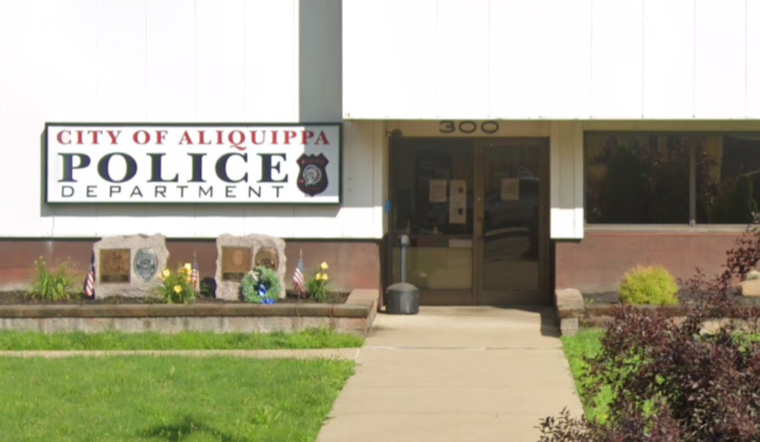
An Aliquippa police officer who had just finished destroying seized narcotics in the department evidence room collapsed in a patrol car and had to be revived with Narcan and CPR, a scare that has the small department rethinking how it handles fentanyl. The officer, who serves as the department's evidence custodian, survived the apparent exposure and has since recovered and returned to duty.
Beaver County District Attorney Nate Bible told KDKA that the custodian changed clothes after the narcotics destruction, then lost consciousness about 20 minutes later while riding in the passenger seat of a patrol vehicle. His partner administered Narcan twice and performed CPR until paramedics arrived, actions that Bible said saved the officer's life. Investigators say the officer had been wearing gloves but may still have come into contact with powdered fentanyl during the disposal process. As reported by CBS Pittsburgh, prosecutors said no charges have been filed, and the police department is reviewing its safety procedures.
What investigators said
Bible called the episode "a very, very unfortunate accident" and warned that "a very, very small amount can be near fatal." He said the department will now require officers to wear masks anytime they handle narcotics while investigators work to pinpoint how the exposure happened. The officer told KDKA he does not remember collapsing and woke up hours later in the hospital. He has since returned to duty, Bible said in his interview with local reporters. CBS Pittsburgh reported Bible's comments along with the department's brief statement on Facebook.
Federal guidance for first responders
Federal and medical-toxicology experts urge caution around fentanyl but note that brief, incidental skin contact rarely causes opioid toxicity. The National Institute for Occupational Safety and Health recommends training, job-hazard analyses, and appropriate personal protective equipment for first responders who may handle fentanyl or other illicit opioids. The American College of Medical Toxicology and American Academy of Clinical Toxicology state that incidental dermal exposure is unlikely to cause opioid overdose, but they stress the need for respiratory protection and ready access to naloxone when responders may encounter large quantities or aerosolized powder. See guidance from NIOSH and the ACMT/AACT position statement for more on recommended protective practices.
What this means locally
The Aliquippa department's sudden mask requirement for narcotics handling, along with the district attorney's public warning, highlights how risky modern street opioids can be even for trained officers working in controlled settings. While investigators continue to sort out exactly how the exposure occurred, the incident has already prompted local leaders to take a harder look at evidence-room procedures and supplies of protective gear as a precaution.





