

























































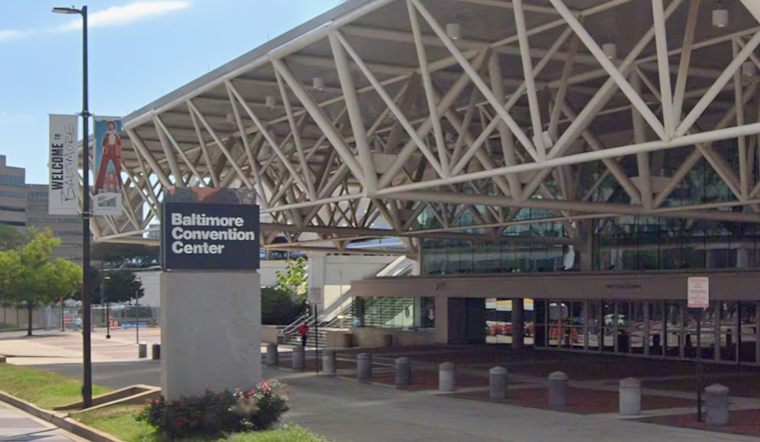
A state-appointed task force says it is time for Baltimore to pour roughly $1 billion into a top-to-bottom modernization of the Baltimore Convention Center, warning the aging complex has left the city at a competitive disadvantage. Without a major overhaul, the group says, the center risks losing big-name conventions and the hotel room nights that come with them. The task force is also pushing for a new Joint Authority to run the facility and a regional financing plan that could include levies on prepared foods, along with other incremental taxes.
What the task force recommended
In its 2025 report, outlined by the Maryland Department of Commerce, the task force pegs the renovation and modernization cost at about $1 billion and calls for consolidating Visit Baltimore and the convention center under a single Joint Authority. A revamped center, the report projects, could attract roughly 200,000 to 300,000 additional attendees each year. Task force members argue that kind of bump would help lift hotel occupancy and tax receipts across the region. Local media followed up on the recommendations after the findings went public, with WBFF/FOX Baltimore highlighting supporters’ claim that the city has “fallen behind” peer metros.
MSA study: act or risk decline
To reach its conclusions, the task force leaned on a market analysis overseen by the Maryland Stadium Authority. That study modeled both “do-nothing” and renovation scenarios and warned many meeting planners would be unlikely to return if the center stays in its current condition. The sensitivity analysis showed declining event activity and widening operating losses under the status quo, a set of findings the task force cites as a key reason to move quickly on upgrades rather than let the facility slide further.
How they'd pay for it
The report lays out a menu of funding ideas, including selling naming rights, tapping incremental occupancy-tax revenue, and creating a new Regional Tourism Financing Zone that would collect money from a roughly 15-mile catchment around the convention center. After testing different options, the task force singled out a 3 percent surcharge on restaurants and prepared foods as a leading way to plug the financing gap, an idea that has already drawn attention in local coverage. Any serious funding package would need action in Annapolis and buy-in from neighboring counties, since the concept relies on capturing what the task force describes as regionwide benefits.
Economists raise doubts
Not everyone is sold on the big spend. Economists who reviewed the task force’s materials told local reporters the projected gains are uncertain and that the proposal comes with real tradeoffs. As The Baltimore Banner reported, critics warned a new levy could “make food more expensive” for residents and urged officials to weigh competing needs such as transit, streets, and basic government services that have a direct impact on downtown livability.
Downtown context: fragile gains
Supporters frame the convention center overhaul as one piece of a larger effort to tie together recent downtown investments, from upgrades at the arena and Harborplace to improvements in public spaces, in hopes of creating a busier and more appealing core. But the underlying market is still shaky. The Daily Record reports that downtown has actually lost hotel supply over the past year and points to high-profile closures that have tightened room inventory. That puts additional pressure on the convention center to generate overnight stays. Local planning groups and the Downtown Partnership have pitched a renovated convention campus as a potential spark for hotel reinvestment and more visitor spending.
What's next
The task force’s blueprint still faces a long political and legal road. Lawmakers did not advance an enabling financing package during the most recent legislative session, and advocates say they expect to bring the issue back to Annapolis next year. The task force itself was created by state law and is only authorized through mid-2026, which leaves a relatively narrow window for state and county leaders to hammer out a regional deal before the panel sunsets. In the meantime, city officials and business leaders say they will keep pressing their case that a modernized convention center is central to writing downtown Baltimore’s next chapter.





