

























































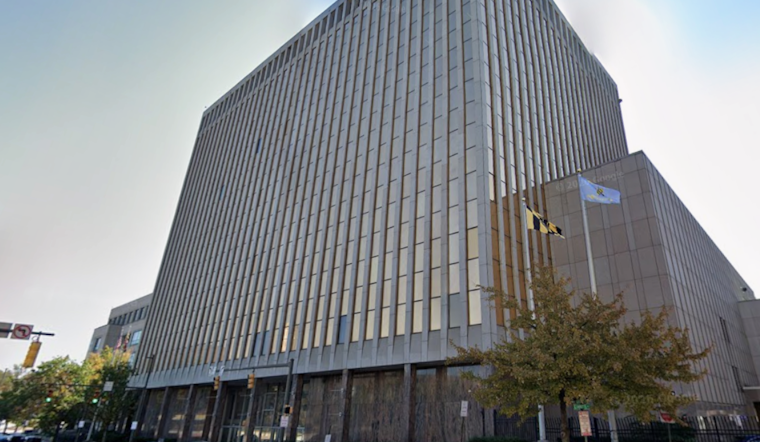
Baltimore’s spending board has signed off on a no-bid, 10-year contract that locks the city into roughly $153 million in Taser replacements, new body-worn cameras, and related software and training for the Baltimore Police Department. The deal effectively weds the department’s evidence system and less-lethal equipment to a single vendor for the next decade, drawing immediate blowback from some elected officials and rival suppliers. Backers say the agreement will streamline operations and avoid pricey transitions, while critics say the city left money on the table by skipping a competitive bidding process.
The Board of Estimates approved the agreement in a 3-1 vote, with Council President Zeke Cohen voting no and Comptroller Bill Henry abstaining after complaints about the lack of a bidding process, according to The Banner. Police spokesperson Lindsey Eldridge told The Banner that Baltimore already uses Axon Tasers and body cameras and that the contract includes a two-year pilot for the cameras’ AI tools. A Motorola representative warned the city could save up to $50 million by looking at other vendors, while the department’s chief technology officer argued the contract would “future proof” BPD’s investment.
What the $153 million buys
The price tag, listed on the board docket as $153,217,966.56, covers replacement Tasers, tens of thousands of cartridges, and a broad suite of Axon products and services, including next-generation Axon Body cameras, cloud evidence platforms, drones, and virtual-reality training, according to Baltimore Brew. The Brew reports the largest line items are about $48.2 million for VR training and roughly $47.9 million for Taser 10 devices, along with long-term support and upgrades over the life of the contract. The arrangement also bundles software that promises automated reporting, transcription, and translation tools for investigators.
AI testing and guardrails
The new cameras will include AI features meant to assist with translation, transcription, summarization, and searching of footage, but city officials say those automated functions will be tested before the city commits to buying them, as reported by The Banner. Under the contract, the department gets a two-year window to pilot AI tools and to work with the vendor on operational policies and safeguards. Advocates and privacy experts say even pilot programs should come with public transparency and strict limits on how biometric or location data are used.
Local reaction and procurement questions
Opponents warned that a single-vendor deal risks locking Baltimore into proprietary systems that are expensive to unwind, a history Baltimore Brew traced back to the department’s original $11.6 million Axon arrangement in 2016 that grew over time. Vendors and some board members pressed for competition at Wednesday’s meeting, arguing the city could have pursued modular contracts or split hardware and software among different suppliers. City officials countered that changing vendors now would trigger transition costs and disrupt existing evidence workflows.
Next up is a two-year pilot and a lot of scrutiny: the city will draft guardrails, track performance, and face pressure from council members, civil-liberties groups, and competitors for oversight. Observers will be watching for published pilot results, any formal protests, and follow-up actions from the City Council as the implementation unfolds.





