

























































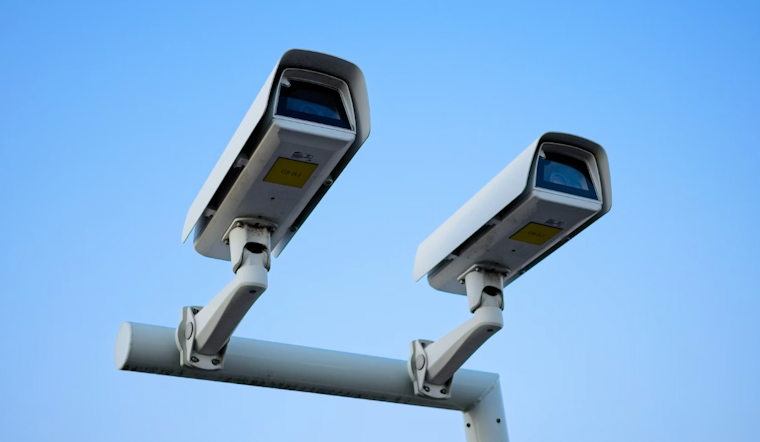
Baltimore drivers are about to get a lot less wiggle room. The city is expanding its automated traffic enforcement network this month, rolling out four new school zone speed cameras and a round-the-clock commercial vehicle height monitor that officials say are aimed at slowing drivers near schools and keeping oversized trucks off restricted neighborhood streets. The new gear is scheduled to go live on or about May 20.
New camera locations and timeline
Starting on or about May 20, speed cameras are set to fire up near four schools across the city:
- Tench Tilghman Elementary/Middle School, in the 2200–2800 blocks of Orleans Street
- Green Street Academy, in the 100–300 blocks of N. Hilton Avenue
- Redeemer Paris Day School, in the 5700 block of N. Charles Street
- Barclay Elementary, in the 300 block of E. 29th Street
On top of that, Baltimore is installing a commercial vehicle height-monitoring system on the 300 block of Gittings Avenue. That unit will capture images and video of trucks that exceed a 12.5-foot height limit and record license plate information. Commercial drivers making legitimate local deliveries may be exempt if they can show documentation such as a bill of lading or a permit, as reported by FOX45.
How the systems operate
According to the Baltimore City Department of Transportation, school zone speed cameras operate Monday through Friday from 6 a.m. to 8 p.m., all year long. The devices use radar along with photos and video to flag vehicles going at least 12 miles per hour over the posted speed limit.
The department outlines a tiered fine schedule that takes effect Oct. 1, 2025. Penalties start at $40 for drivers traveling 12 to 15 mph over the limit and climb to $425 for speeds that are 40 mph or more above the limit. These camera citations are treated as civil violations and do not add points to a driver’s record.
The department says commercial vehicle height monitors operate 24 hours a day and capture front-of-cab images to document possible violations. Exemptions and appeals for those citations are handled through the city’s ATVES ombudsman.
Why the city is expanding enforcement
The city’s transportation officials are not shy about their rationale. “Traffic cameras are a proven means of reducing speeding and red light running,” the Department of Transportation states in its materials, adding that enforcement locations may be temporary, rotating, or permanent, depending on crash data and traffic patterns.
Sites are selected after the city evaluates collision history, traffic volumes, and resident complaints, according to the agency. Signs are supposed to clearly mark active camera zones, so drivers have fair warning before they roll through a monitored stretch.
Residents who receive citations are not stuck with the bill by default. They can request a review by a local designee or contest the citation in District Court, the department notes.
Earlier reporting and what to expect
Local coverage had previously flagged an earlier rollout for parts of the program. In a Dec. 30, 2025, update, some cameras were expected to go live Jan. 5, 2026; the DOT’s latest deployment plan adjusts certain sites and pushes additional enforcement into the spring. City officials are nudging drivers and residents to check the ATVES web pages and the designated truck-route map for the freshest list of locations and rules.
Anyone with questions about exemptions, appeals or whether a particular street is a posted truck route is directed to the ATVES ombudsman. Contact details, as well as instructions on how to pay or contest a citation, are listed on the city’s ATVES pages and related municipal resources.





