

























































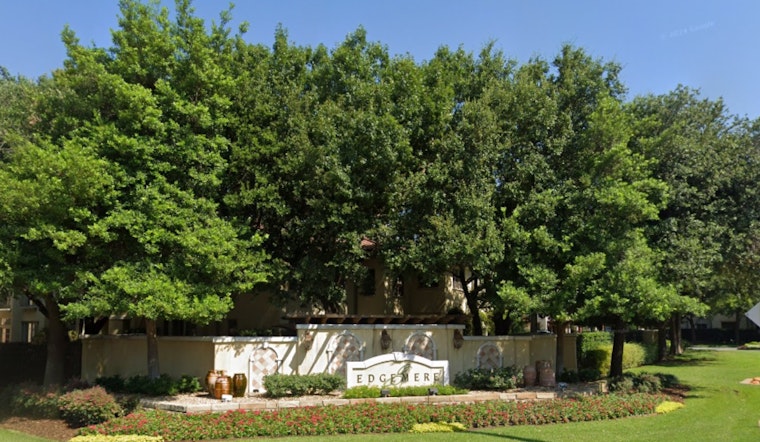
Edgemere, the upscale Dallas retirement community that filed for Chapter 11 in April 2022, has largely steadied itself. Independent living, assisted living, and memory-care units have refilled, and the residents’ trust has paid out roughly $84 million to former and current residents. Under new ownership and a new management team, the 16-acre campus has refreshed dozens of apartments and rolled out new wellness programming that residents say has finally brought back a sense of normal life. For families who once feared they would never see their entrance-fee refunds, the mix of court-approved settlements and renewed move-ins feels like a long-awaited second act.
Under New Ownership And Management
Edgemere first disclosed its Chapter 11 filing in April 2022 as it struggled with pandemic losses and other financial pressures, according to PR Newswire. In June 2023, the community was purchased for roughly $48.5 million by Bay 9 Holdings, an affiliate of Lapis Advisers, as part of a court-approved rescue plan, as reported by Bisnow. Long Hill initially stepped in to manage the campus, and operations later transitioned to a new operator the following year as the reorganization moved from crisis mode to cleanup.
Certus-Led Upgrades And Programming
Certus Living assumed management in August 2024 and has overseen a series of capital projects and program launches, including a memory-care "Vitalize" initiative and a Sensory Room designed to help calm residents. According to Certus Living, the operator has prioritized expanded caregiver training and targeted interior renovations meant to improve daily life on campus. Management says those investments have helped attract new move-ins and steady operations across multiple levels of care, a notable shift from the uncertainty that gripped the community just a couple of years ago.
Trust Payouts And The Money Plan
Former owner Lifespace agreed to contribute about $143.4 million to a residents' trust to fund entrance-fee refunds over roughly two decades, according to a Lifespace continuing-disclosure report. The trust's trustee, Steve McCartin, told The Dallas Morning News the trust has paid 173 claims and dispersed about $84 million so far, with further refunds to be triggered as units turn over. A large portion of the fund was frontloaded to clear past-due refunds and ease the transition for families who had been waiting years, turning legal fine print into actual checks.
Why The Rental Model Matters
Edgemere has moved away from the life-care entrance-fee model, contracts that once required upfront payments from roughly $345,000 to $1.4 million and monthly service fees starting near $4,000, in favor of a rental pricing structure. "Where if you're in a rental and you're not having to pay back that money every time you can be profitable at about 85% occupied," Edgemere’s executive director said, as reported by The Dallas Morning News. That change lowers the occupancy threshold the campus needs to reach to remain financially stable and helps explain why operators across the region have been experimenting with similar shifts.
Residents Say The Place Feels Alive Again
Longtime residents and families describe a different rhythm on campus since the sale and renovations, with more activities, fresher dining rooms, and a steadier calendar of events. Some who once worried about lost deposits say they are relieved by the trust payouts and by renewed interest from neighbors and friends who are again considering a move. "We’re going to help the new owner everywhere we can," one resident said, capturing the blend of relief and pride many feel about Edgemere’s recovery.
Edgemere’s rebound does not erase the legal and financial scars of the bankruptcy, and the community still faces long-term obligations under the trust and ongoing case-related litigation. For now, though, the campus has traded the turmoil of 2022 for rising occupancy and a quieter confidence among residents that the place they chose to call home will endure. Local families and industry watchers say Edgemere’s turnaround will be watched closely as other large CCRCs weigh whether to abandon entrance-fee models in favor of rentals.




