

























































Los Angeles is finally trying to put its cracked sidewalks, pitted streets, aging parks and tired public buildings on a single, citywide to-do list.
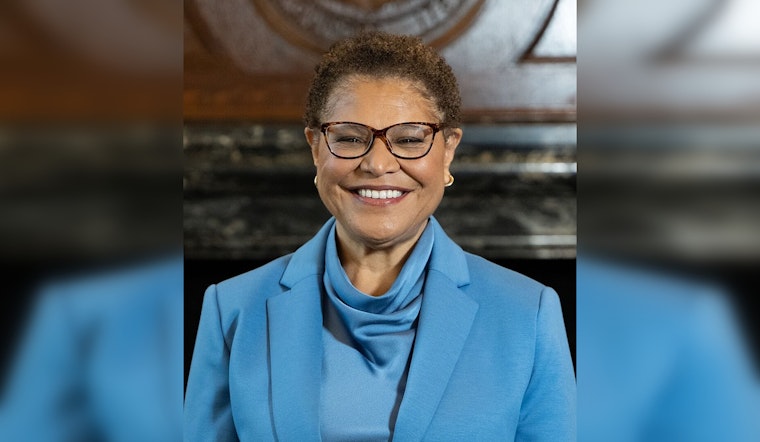
On Monday, Mayor Karen Bass rolled out Los Angeles’ first Capital Infrastructure Program, a coordinated effort to inventory, prioritize and pay for both long-delayed repairs and new construction across the city. The plan is pitched as one master roadmap meant to replace decades of piecemeal fixes and stubborn repair backlogs. Bass is framing the push as a key piece of the city’s preparations for major international events, including the 2028 Olympic and Paralympic Games.
What the program actually does
The initiative lays out 10 recommendations to overhaul how the city plans and approves big projects, including updates to city processes and the City Charter, with the goal of making funding and delivery more transparent and accountable. It calls for establishing a director of public works and giving the Bureau of Engineering the lead role in running a centralized capital program, with the idea of assigning clear responsibility for maintenance and project delivery. According to the Mayor’s Office, those reforms are intended to move projects faster and cut down on cost overruns.
Funding and the Olympic legacy wish list
Local coverage reports that Bass has called for 29 Olympic and Paralympic “legacy” projects to get the city ready for 2028, with 16 of those projects included in her proposed budget for next year. MyNewsLA reported the number of projects and their funding status, while the overall $14.89 billion size of the mayor’s proposed 2026–27 spending plan is documented by the Los Angeles Times.
How City Hall says it will deliver
The new program builds on Executive Directive No. 9 and orders creation of a Capital Planning Steering Committee that will centralize project lists, deploy a citywide asset-management system and score projects based on need and readiness. City departments are instructed to produce a complete inventory of public-right-of-way assets and to recommend revenue sources and contingency funding pools so projects do not stall midway through construction. The broad goals and implementation steps are summarized on the City Department of Public Works’ Capital Infrastructure Program page at the Department of Public Works.
City Hall reaction and what advocates say
Council President Marqueece Harris‑Dawson has called the plan a “long‑overdue modernization” of city services, and Councilmember Eunisses Hernandez said it could transform how Los Angeles plans, invests in and maintains services people rely on. Those statements were reported by MyNewsLA. Long‑running advocacy organizations such as Investing in Place have for years identified a formal, multi‑year capital plan as one of their core reform recommendations, and this program tracks with that ask.
What to watch next
The mayor’s office says it will work with the City Council to secure long‑term funding and to translate the steering committee’s priorities into an officially adopted plan. The mayor’s proposed budget now heads to council hearings in the coming weeks. How the city turns this framework into guaranteed, dedicated revenue streams, a public project list and enforceable delivery timelines will determine whether the effort finally replaces the patchwork approach Angelenos have long complained about, as noted by the Los Angeles Times.





.jpg)