

























































Atlanta’s long-running debate over what, exactly, the Beltline should be is back in the spotlight after City Council moved forward this week with a plan to study a permanent, dedicated bike lane along some of the trail’s busiest stretches.
Supporters argue that carving out clear space for faster riders could ease the daily dance between cyclists and pedestrians, making the Beltline safer for families and commuters who just want to get from point A to point B without a near miss. Skeptics warn that locking in a hard-edged bike corridor might eat into land long eyed for future transit, setting up a quiet tug-of-war over the Beltline’s future purpose.
Council action
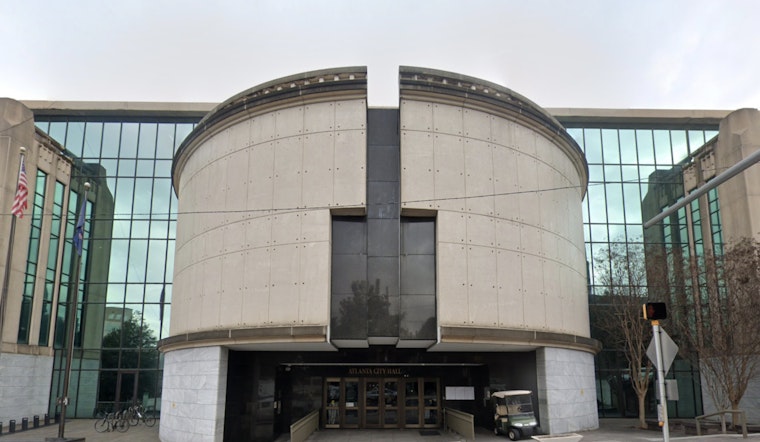
A council news release lists “a resolution requesting the installation of dedicated bicycle and motorized vehicle lanes along the Atlanta Beltline to improve pedestrian safety” among the items acted on during Monday’s meeting, according to Atlanta City Council. The release does not include engineering drawings or a construction schedule and instead frames the measure as a request for study rather than a green light for immediate construction.
What the proposal would do
Local coverage reports that the council is weighing a proposal for a permanent, dedicated bike lane on the Beltline that is pitched first as a safety move for both pedestrians and riders, as reported by Atlanta News First. Advocates say a clearly marked, separated lane would give cyclists a faster and more predictable route without forcing them to slalom through dense clusters of walkers, strollers and joggers.
Transit plans at stake
The Beltline has always carried a double identity as both a recreational trail and a possible transit corridor. Atlanta BeltLine Inc. unveiled a roughly $3.5 billion light-rail concept in 2025, and some transit supporters caution that repurposing the corridor for a permanent bike lane could narrow long-term rail options, according to The Atlanta Journal-Constitution. “There’s things I can control as an engineer and there’s things I cannot,” Atlanta BeltLine Inc. principal engineer Shaun Green told the outlet while discussing how to protect potential future rail plans.
What happens next
The council’s release lists the resolution among actions taken on May 4 but offers few hints on what any final design might look like, according to Atlanta City Council. Any specific route or construction plan would still need additional study and sign-off from city transportation staff. If the resolution continues to advance, technical teams would have to figure out exactly where a separated lane could fit without cutting off access to businesses, parks or existing trail connections.
Riders and neighbors weigh in
Frequent Beltline users and neighborhood advocates say their daily frustrations are more basic: congestion, big differences in how fast people move and uneven enforcement of the rules. Advocacy group Better Atlanta Transit has called for clearer signage, speed limits and more consistent enforcement on the most crowded trail segments, as noted by Better Atlanta Transit. Nearby residents also want answers on whether a new lane would cost them green space, how crossings would work and what it could mean for small businesses lining the corridor.
For now, the resolution has put a familiar policy question back at the center of the Beltline conversation: lanes or rails. City officials will be watching technical studies and public feedback as the proposal moves through committee rooms and planning offices.





