

























































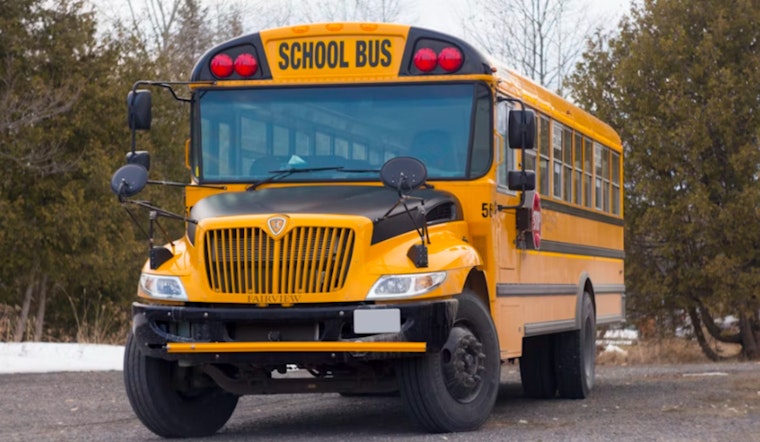
Boston is gearing up to put cameras on its yellow school buses, targeting drivers who blow past stop signs and extended stop-arms on crowded pickup routes. The push, led by City Councilor Enrique Pepén, is gaining traction as parents who have watched near-collisions outside their homes demand quick action. City officials say they are now sketching out how the system would work, with a council vote and public hearing on the horizon.
According to NBC Boston, the proposal has support from Mayor Michelle Wu and leaders within Boston Public Schools, and Pepén has filed an order asking the City Council to hammer out the details. The plan outlines where cameras would be mounted, how video footage would be handled, and how long the city would have to issue citations. Pepén has said he wants strict rules around how recordings are stored and used.
What the state law allows
Per the Massachusetts Legislature, Chapter 399 of the Acts of 2024 allows cities and towns to install detection systems on school buses that document stop-arm violations and back up civil citations. The law says systems may capture license plates, along with the time, date, and location of alleged violations, and it requires that recorded evidence be destroyed after it is used rather than creating criminal records for vehicle owners. It also mandates reporting on how programs are used and limits who can access the footage.
How Boston would run it
City records and draft language spell out how Boston could manage the program. The Boston Public Schools Executive Director of Transportation would oversee implementation, and potential violations would go to the Boston Police Department for human review before any ticket goes out, according to a City Council order and a draft ordinance. The proposed rules limit camera angles so riders are not photographed and set procedures for mailing citations and managing how records are kept and destroyed. Contracts with any vendor would need School Committee approval before cameras could be activated.
Lessons from across Massachusetts
Other Massachusetts communities that jumped in early are offering a preview of what Boston may be signing up for. A Peabody pilot logged thousands of illegal passes on just 10 buses equipped with cameras, and Chicopee moved to roll out stop-arm cameras citywide after seeing similar results, according to reporting by Boston.com and local coverage that counted "Over 3,400 violations." Those pilots helped build support for the statewide law and now serve as a reference point for Boston’s own rule-making.
Legal questions and privacy concerns
The state law treats stop-arm camera tickets as civil violations and requires that enforcement images be destroyed after use, a design that supporters say is meant to avoid criminal penalties and insurance hikes for vehicle owners. Privacy advocates and critics of outsourcing enforcement to vendors have raised alarms about surveillance creep and the risk that such programs could tilt toward revenue generation instead of safety, concerns that have surfaced in coverage of earlier pilots. Draft city language tries to head off pay-for-performance vendor contracts and calls for annual public reports, yet advocates argue that the fine print will be crucial when the Council digs into the rules.
What’s next
The City Council Committee on Government Operations is expected to take up Pepén’s order at a public hearing in the coming months. Officials and residents will get a chance to weigh in, and staff will be pressed on technical choices and privacy protections. Pepén told NBC Boston he hopes cameras could be installed on Boston buses by the start of the next school year if the city moves quickly. Until then, the fight will be over how to protect kids standing at the curb while keeping tight guardrails on data use and enforcement.




