

























































Boston is trying to turn climate talk into climate paychecks as the city rolls out its first ever Climate Week from May 3 to May 10. The weeklong, citywide experiment folds a two‑day ClimaTech summit into a packed calendar of public panels, investor showcases and neighborhood events, all aimed at turning climate ideas into actual employment and businesses.
ClimaTech Anchors a Jam‑Packed Week
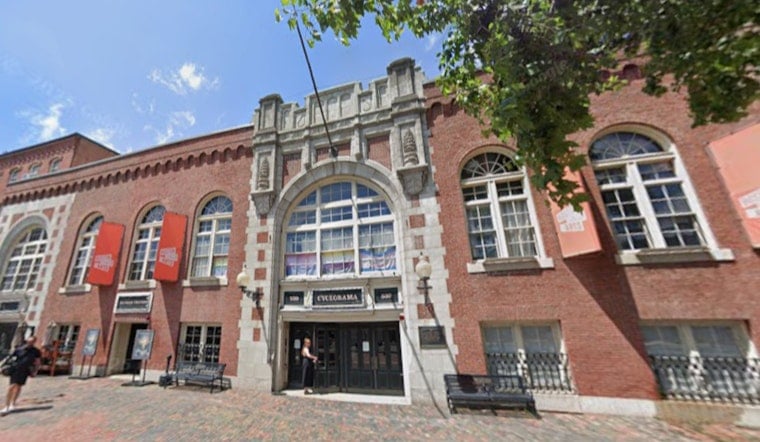
At the center of the action is ClimaTech, a two‑day flagship gathering set for May 4–5 at the Boston Center for the Arts. Organizers say the broader Boston Climate Week will feature more than 100 events and draw thousands of attendees. The summit mixes an expo, startup pitches and curated networking to connect founders with investors and city decision‑makers, according to ClimaTech and the Climate Week Network.
Officials Talk Climate, Cash and ‘Nodes of Growth’
Organizers and city officials are pitching the week as an economic development play as much as a climate initiative. “Venture capital was invented here,” ClimaTech executive director Paul Scapicchio told The Boston Globe. Boston’s chief climate officer Brian Swett told the paper the goal is to build “nodes of growth” that keep companies and talent rooted in the region. The Globe also reported the state has signaled roughly $1 billion in support for the climatetech industry over the next decade.
State Bets on Climatetech for the Next Big Jobs Wave
The Healey administration has explicitly linked its economic development strategy to clean‑tech expansion, building on the 2024 Mass Leads Act to channel capital, incentives and workforce programs toward climatetech. In its recent Mass Wins filing, the administration laid out new capital authorizations and tools designed to attract global investment and boost Massachusetts’ competitiveness, according to the state’s Executive Office of Economic Development and Mass.gov.
From Pilot Projects to Playbook
Many of the week’s conversations will be grounded in local pilot projects already underway. One of the marquee examples is Eversource’s networked geothermal pilot in Framingham, which began drilling in 2023 as a first‑in‑the‑nation utility‑scale project and shifted into testing and commissioning in 2024. Utilities, municipal leaders and engineers will be watching closely for lessons on cost, customer participation and how to expand these systems beyond a handful of demonstration neighborhoods, according to Eversource.
Who’s Pulling the Strings, and What’s at Stake
Boston Climate Week is being convened through the Climate Week Network and Climatebase, the San Francisco‑based platform that helps run city climate weeks and operates a climate fellowship. Climatebase notes it has helped produce similar programming in Mexico City, Munich, San Francisco and Toronto, and Boston’s turn in the spotlight will test whether the region can convert its university research and deep pool of capital into deployable climate solutions.
For Boston residents, the calendar is a mash‑up of polished investor showcases and casual neighborhood hangs: oyster “shellebrations,” run clubs and book groups stacked alongside venture pitches and policy forums. Whether the week yields big deals, pilots that scale across the state, or just a few well‑timed introductions, it will serve as an early gauge of whether Boston can harness its research, money and policy momentum into practical climate answers that show up in paychecks as well as emissions charts.





