

























































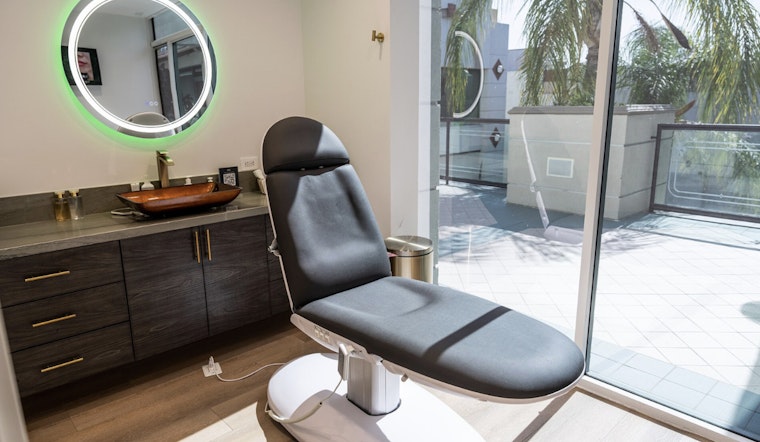
From Valley strip centers to corner storefronts in Manhattan, medical spas have quietly taken over the kind of spaces that used to house coffee shops and nail salons. These quick-turn clinics that sell Botox, fillers and medical weight-loss programs now dominate many of those small suites, crowding out traditional retailers in favor of appointment-only wellness. The net effect is a dramatic remake of neighborhood retail from Los Angeles to New York.
Med Spa Footprint Is Growing Fast
Commercial real estate data shows a steep jump in med-spa leasing over the past few years, with Los Angeles logging some of the largest concentrations and several other metros inking five-figure square-footage deals in 2024. According to The New York Post, a CoStar analysis found that med-spa leases in top cities now total hundreds of thousands of square feet. Brokers who work the small-shop retail market say this is no temporary craze but a permanent shift in who gets the keys.
What's Driving The Demand
The surge is riding a broader wellness wave. The Global Wellness Institute pegs the U.S. wellness economy at roughly $2.1 trillion in 2024, and industry researchers put the medical-spa slice of that at about $21 billion the same year. Operators say franchise rollups and fresh investment capital have made it far easier for well-funded chains to plant flags in new neighborhoods, a trend noted in analysis from Grand View Research and in commentary by the American Med Spa Association. Put simply, big consumer spending plus plug-and-play franchise models are exactly what landlords and brokers like to see when they map out their future tenant mix.
GLP‑1 Drugs Are Sending Customers Through The Door
Another accelerant is sitting in patients' medicine cabinets. A KFF Health Tracking Poll found that roughly 12 percent of U.S. adults were taking a GLP‑1 prescription medication as of November 2025. As more people use these drugs for weight loss, med-spa owners say demand spikes for body contouring, skin tightening and filler work to go with the new waistlines. Trade publications and industry consultants have repeatedly flagged those add-on services as a major boost to med-spa revenue, and many operators now build medical weight-loss programs directly into their business plans.
Regulatory And Safety Pressure Is Growing
The boom is also drawing more heat from regulators. On March 3, 2026, the U.S. Food and Drug Administration sent warning letters to telehealth companies over allegedly misleading marketing of compounded GLP‑1 products, a clear signal that federal watchdogs are tightening the screws. In New York City, Council investigators uncovered widespread licensing and hygiene violations during a coordinated sweep of local med spas in late 2024, which was followed by state disciplinary actions. Local outlets have documented undercover stings and criminal cases tied to counterfeit or unapproved injectables, including a recent fake Botox hustle that exposed just how lucrative the gray market can be.
What This Means For Neighborhood Retail
For landlords, med spas slot neatly into a broader pivot toward service tenants. Owners and brokers say they are deliberately chasing fitness, medical and aesthetic operators because those businesses generate predictable cash flow and have held up well through recent market swings. Convenience-focused strip centers and other small-format retail spaces outperformed many competing formats in leasing activity last year, according to market write-ups from Crexi. That is good news if you own the building, less so if you are a would-be retailer hunting for an affordable storefront, and it means shoppers are increasingly greeted by appointment-only buzzers instead of walk-in boutiques on the neighborhood main drag.
For consumers and property owners alike, the message is straightforward. Med spas have moved well beyond a few upscale districts and are now a mainstream retail category that will shape leasing strategies, consumer-safety oversight and the very look of neighborhood shopping streets for years to come.





