

























































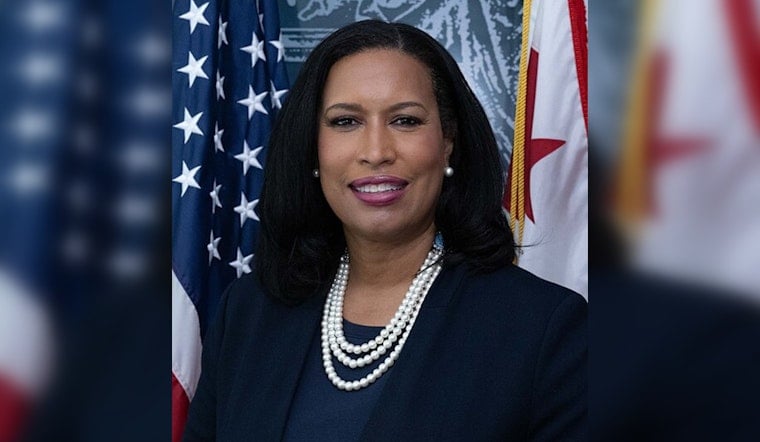
Mayor Muriel Bowser is asking the D.C. Council to crack open more than $400 million in fresh cash, putting long-awaited union pay raises right at the front of the line. Her top priority is settling labor contracts, including a new deal for firefighters, along with boosting childcare subsidies, medical leave under the Universal Paid Leave program and the Housing Production Trust Fund.
Bowser laid out her pitch in a May 27 letter to Council Chair Phil Mendelson, attaching a ranked “contingent revenue list” her team drew up as soon as the money appeared. “I am concerned that Councilmembers have made little mention of using these now-available funds to invest in our workforce’s collective bargaining agreements,” she wrote, urging the council to use the windfall to close firefighter, principal and paraprofessional contracts. The full letter is available here.
Where The Money Came From
Mendelson’s budget operation has identified roughly $420 million that could be unlocked by combining District reserves with new revenue from the council’s tax “decoupling” legislation. That is a serious chunk of change, and the city’s independent fiscal referee is already waving a caution flag.
“Local reserves are essential for the District's ability to meet its basic obligations and pay bills during the year,” Office of the Chief Financial Officer spokesman Eric Balliet told reporters, arguing that dipping into savings is not a risk-free move. As reported by WJLA, Mendelson first spotlighted the newfound money during a May budget working session, setting up the current scramble over how to spend it.
Decoupling And Legal Risk
The extra revenue is tied to the council’s emergency decision last November to cut loose from parts of the federal One Big Beautiful Bill Act in order to speed up the local Earned Income Tax Credit and add a child tax credit. That maneuver has been politically fraught from the start.
Congress later approved a disapproval resolution that could roll back pieces of the District’s law and complicate how the OCFO treats the projected revenue, according to an analysis by Eversheds Sutherland. The council’s own press release on the decoupling lays out which provisions were severed and why lawmakers pursued the strategy, but whether the money is truly safe to spend remains a live question.
What Comes Next
Bowser told the council her administration is ready to move on implementation as soon as lawmakers decide what to fund, but she argued hard that the first call on the cash should be keeping promises to city workers. Councilmembers and committee chairs will now sift through the mayor’s ranked list as they mark up the fiscal 2027 budget.
How much of Bowser’s wish list actually survives will depend on two big swing factors: the CFO’s certification of the revenue and the ultimate legal status of the decoupling move. The Committee of the Whole’s budget markups are being streamed and archived for anyone who wants to watch the sausage being made; residents can follow the process and pull committee documents through the council’s all-hands budget brawl.





_(cropped).jpg)