

























































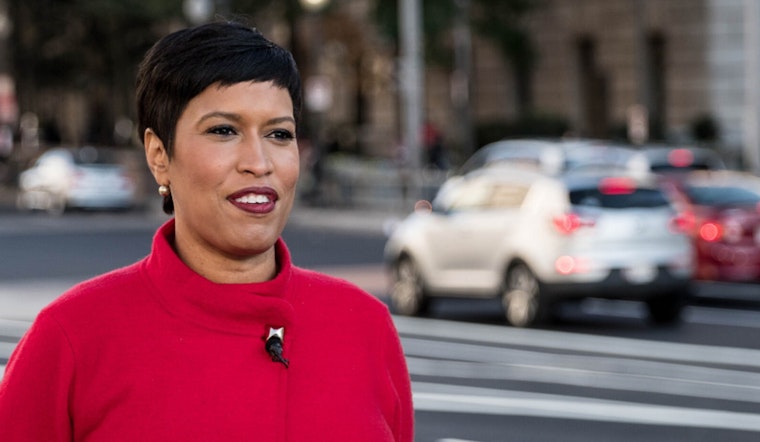
Mayor Muriel Bowser took Washington, D.C.'s latest retail comeback plan straight to the casino floor of ICSC Las Vegas this week, pitching a Streetsense-backed strategy that puts neighborhood residents at the center of the city's ground-floor retail future instead of the shrinking office crowd. The administration is dangling a mix of incentives, grants and regulatory fixes to lure grocers, restaurants, fitness studios and entertainment concepts back to commercial corridors, paired with a broader push to turn underused office towers into housing and mixed-use projects.
What the study found
The Streetsense study, released by the Office of the Deputy Mayor for Planning and Economic Development, says Washington supports nearly 700,000 residents, about 743,000 jobs, more than 27 million annual visitors and an estimated $14 billion citywide retail spending base. It also notes that performance looks very different from one area to the next, with residential-heavy corridors holding up better than office-dependent districts that have lost daytime foot traffic. Those findings and the plan's recommended priority categories are detailed in a DMPED press release.
Grocer access and a nightlife pivot
Deputy Mayor Nina Albert told CoStar News the city wants "a grocer within a one-mile radius of every resident," a simple benchmark that would quietly fill some glaring food-access gaps. Bowser joined the delegation at ICSC to deliver that pitch in person. Albert said the plan intentionally tilts downtown leasing toward eating, drinking and entertainment uses that are far harder to replace with online shopping. She told industry attendees the city is prepared to move quickly on permitting and incentives when retailers are ready to sign.
Office conversions and tax incentives
The marquee piece of the strategy is an Office-to-Anything push that aims to convert roughly 2.0 to 2.5 million square feet of underused office space into housing, street-level retail, hotels and restaurants. To make those deals pencil out, the city is offering a 15-year temporary property tax freeze as part of the conversion toolkit. The conversion targets and incentives are described in a Mayor's Office release.
Grants and cutting red tape
The Bowser administration also rolled out a $3.875 million Restaurant & Retail Stabilization Grant earlier this month and points to a separate retail grant program that has steered more than $4.5 million to over 500 local businesses since 2019. City officials say the broader package includes steps to streamline permitting and modernize alcohol rules in order to lower barriers for new and expanding entrepreneurs. Those programs and policy changes are outlined by the Mayor's Office.
Why investors are listening
On the ICSC floor, brokers and investors talked up a clear shift toward experience-driven tenants, last-mile convenience and service-heavy operators, a set of trends that lines up neatly with D.C.'s priority retail categories. GlobeSt.com reporting from the conference notes that landlords are actively reshaping tenant mixes around dining, fitness and entertainment. The city's study also finds D.C. consumers are about 14.6% more likely to shop online than the national average, a gap the strategy aims to blunt by prioritizing in-person experiences, according to CoStar News.
What to watch next
The real test comes after the Vegas buzz wears off: do those booth chats and cocktail-hour meetings turn into signed leases, new grocers and more bodies on downtown sidewalks. Watch for conversion permit filings, the first batch of stabilization grant recipients and whether landlords take the property tax-freeze deal as early indicators of whether D.C.'s retail gamble is paying off.


