

























































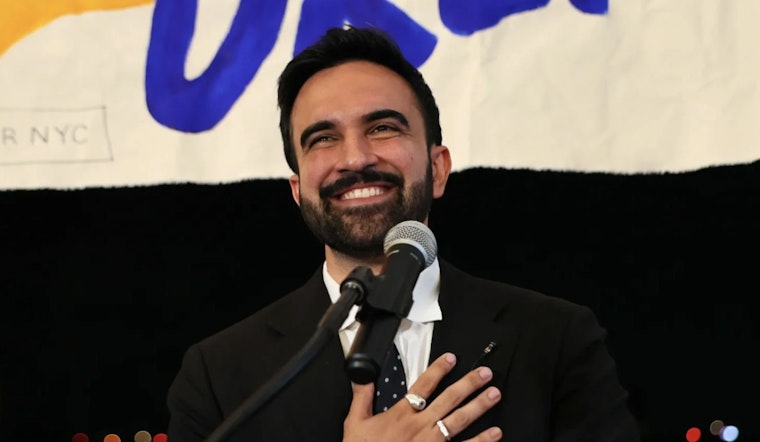
At a Lower Manhattan math meet on Thursday, city leaders turned a friendly competition into a live demo of where they want New York City classrooms to be headed. The Mamdani administration has earmarked $17.3 million to expand NYC Reads and NYC Solves, and officials say the next phase will push the math program into elementary grades while adding the reading curriculum to more high schools this fall. City leaders frame the move as an effort to cut down classroom-by-classroom variation and lift basic reading and math skills across the nation’s largest school system.
As reported by ABC7 New York, the Lower Manhattan math competition doubled as a celebration of the rollout, and an eighth-grade Bronx team even beat Mayor Zohran Mamdani in a friendly game of 24. New York City Schools Chancellor Kamar Samuels, who began his career as a math teacher, told the station, "All young people need to get access to high-quality content," underscoring the administration's focus on what happens inside the classroom.
The expansion is funded in Mayor Zohran Mamdani's FY27 executive budget, which lists a $17.3 million allocation for growing the two initiatives, according to the Mayor's Office. City Hall says the money is intended to support materials, professional development and in-school coaching that officials contend will make instruction more consistent across districts.
What the rollout looks like in classrooms
District materials describe NYC Reads and NYC Solves as research-backed packages that combine approved curricula, universal screening and job-embedded teacher coaching. The district serves more than 900,000 students, so officials say consistent materials matter. Per New York City Public Schools, the initiatives are designed to give teachers common lesson sets and sustained on-site coaching so students across neighborhoods receive the same core instruction. Local coverage also noted that NYC Reads will add four high schools this fall and that NYC Solves is expanding into elementary grades for the first time, steps city officials say will broaden the programs’ reach.
Educators welcome the push but want sustained support
Advocates say the combination of consistent curriculum and long-term coaching can move outcomes, but that results depend on steady funding and classroom time for professional learning. Educators for Excellence-New York urged continued investment and called the initiatives promising in a recent statement, while teacher-led networks and parent groups have pushed for clear milestones and public reporting on outcomes. Educators for Excellence-New York said the city should pair rollout with measurable goals to make early gains stick.
City officials say families should see the first wave of changes by the start of the next school year, and the mayor's budget ties ongoing funding to the broader FY27 plan that city leaders will now negotiate with the City Council. Parents and school communities will be watching whether the extra money translates into measurable gains on city screeners and state tests, and officials say they will publish progress updates as implementation moves forward, per the Mayor's Office. Hoodline previously chronicled an earlier phase of the rollout in 2025, giving readers a baseline for what to expect next.





