

























































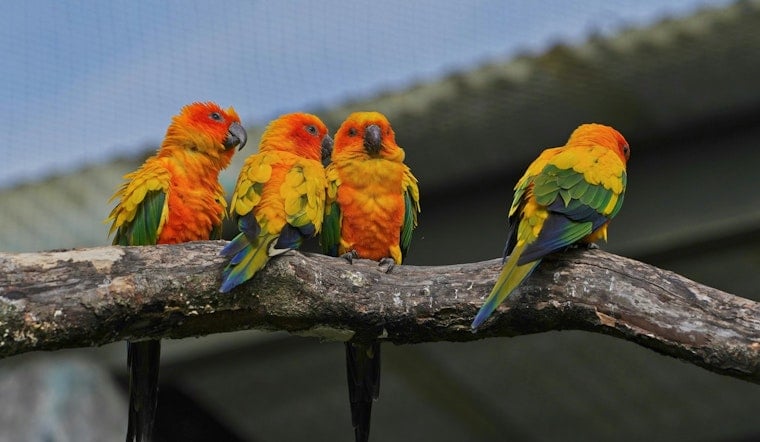
New York City lawmakers are lining up to pull parrots and other companion birds out of pet shop windows, backing a new push to ban the retail sale of almost all non-poultry birds across the five boroughs. Supporters say cutting off that pipeline from large-scale breeders to store shelves would spare long-lived, highly social birds from spending decades behind glass. Store owners fire back that the move would gut a niche but loyal industry, shut down specialty shops, and simply push bird sales into the shadows. The showdown has animal-welfare advocates squaring off with breeders and independent retailers over how New Yorkers should get their feathered companions.
As reported by THE CITY, Councilmember Harvey Epstein is preparing to reintroduce the measure after Deputy Speaker Diana Ayala floated a similar bill last year that never made it to a vote. The revival signals growing backing from animal-focused councilmembers and the Council's broader animal-welfare caucus.
What the bill would do
The proposal would make it illegal for licensed pet shops to display, offer for sale, deliver, barter, or transfer most companion birds. The draft specifically names parrots, cockatiels, finches, parakeets, and macaws, while still allowing poultry such as chickens and turkeys to be sold through live-poultry retailers. The language is aimed squarely at retail pet stores and would not block private adoptions or placements through rescues.
According to the Council's Legistar, the bill would amend Local Law 132 to add birds to the list of animals that cannot be sold at retail.
Supporters point to bird mills and birds' needs
Animal-welfare advocates argue that many birds in New York pet shops come from large commercial breeding operations and are a poor fit for cramped city living. They stress that parrots and similar species are not low-maintenance decor but complex, demanding animals.
"Birds sold in stores are highly intelligent social tropical animals meant to soar - not spend decades confined to cages," Allie Taylor of Voters for Animal Rights told THE CITY. Supporters also cite undercover investigations, including a World Animal Protection probe that documented abusive conditions at several U.S. bird mills, as evidence that the current supply chain needs tighter controls.
Small shops warn the ban would bite
Independent pet store owners and some breeders counter that a citywide retail ban would punish licensed shops that already invest in bird-specific care, housing, and customer education. They argue that responsible outlets could be swept away while less scrupulous sellers continue operating out of reach.
Industry and small-business advocates warn of higher costs for would-be bird owners and a shift to less regulated channels. The Pet Advocacy Network cautions that the policy could "drive bird sales underground" and shutter reputable neighborhood stores. The Organization of Professional Aviculturists has similarly criticized a blanket sales ban as unfair to breeders and retailers who follow best practices.
Where it stands and what comes next
The measure closely tracks an earlier Council bill, Int. 1325, first filed in mid-2025. The text and legislative history are posted on the Council's Legistar system.
Under Council procedures, the new version would be sent to committee, where hearings and negotiations would play out before any full Council vote. That process will give both advocates and opponents a public stage to make their case.
At the state level, a separate proposal, Assembly bill A8327, sought to prohibit bird sales across New York but has stalled so far. The full bill text remains available through the state Legislature for anyone keeping score at home.
Why this matters locally
City Hall has been here before. In 2023, councilmembers voted to bar the retail sale of guinea pigs, a step supporters said would ease the strain on animal shelters and critics said would hammer small pet shops. The bird proposal is the latest test of how far the Council is willing to go in reshaping the pet marketplace in the name of animal welfare.
As this bill comes back around, the question is whether activist energy and animal-welfare organizing can carry it across the finish line, or whether concerns over enforcement headaches and potential losses for small businesses will clip its wings.





