

























































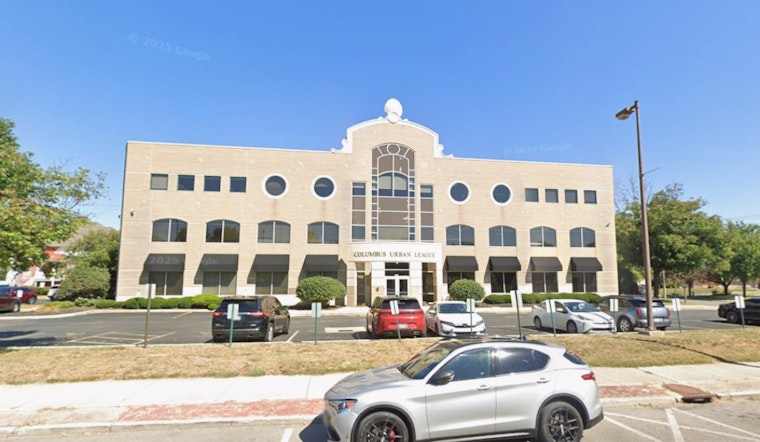
Two cornerstone Columbus Urban League programs that work with hundreds of at‑risk kids are suddenly staring down a cash cliff, with one set to burn through its remaining city funding by the end of May and the other hit with a six‑figure cut. Program leaders say the timing could force fast pullbacks in outreach meant to steer teens away from gangs and keep them in school, just as staff race to line up private donors to avoid abrupt shutdowns.
According to NBC4, city funding for the Neighborhood Violence Intervention Program dropped this budget cycle from $750,000 to $600,000. Money for the Columbus Urban League's Striving Toward Empowerment and Purpose program, known as STEP, is expected to run out entirely at the end of May. Urban League President and CEO Stephanie Hightower told the outlet she learned of the cuts about two weeks before the story aired and described an urgent scramble to fill the gap, saying she does not want to let families or young people down.
Programs and local impact
The Columbus Urban League reports that its STEP program serves roughly 300 children each year and has helped cut chronic absenteeism by about 13% at targeted East and South high schools. The organization ties those results directly to violence prevention and school stability in neighborhoods that lean heavily on city‑backed supports. With the grant shrinking, the Urban League warns it may be forced to narrow services or cap enrollment if new funding does not materialize.
Leaders scramble, families worry
Officials say the notification came with little warning, and staff are already mapping out which services can realistically continue past May 31. One mother recently called to ask whether help would still be available for her 13‑year‑old child, who is facing more than 30 felony counts, a call program leaders cite as a stark example of the high‑stakes cases at risk if support falls through. Hightower is pressing private funders and community partners to step in, but cautioned that such a short runway makes it hard to shift youth to alternative services without gaps, according to NBC4.
What comes next
Urban League leaders say they plan to share updates as they secure bridge funding and are prioritizing keeping caseworkers and violence‑intervention staff in the field. In the meantime, educators and community groups that count on the Urban League's mentoring and outreach are watching closely to see how much program capacity can be preserved. For now, the future of these services, and the timeline for any cutbacks or closures, rests on how quickly donors can move to plug the hole left in the city budget.



