

























































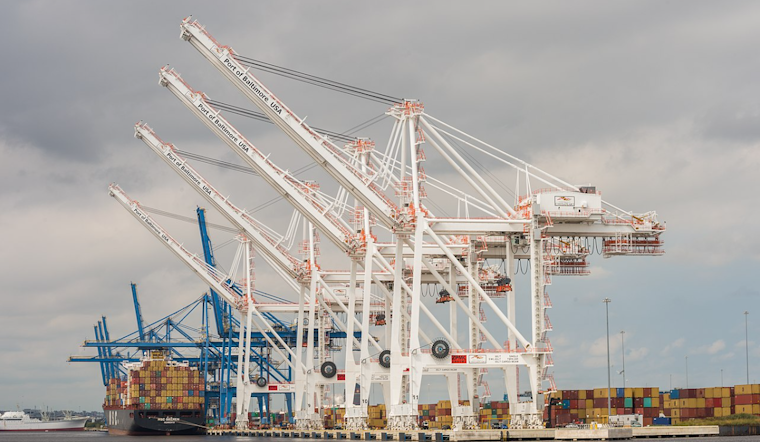
The Maryland Port Administration on Friday abruptly closed the vehicle bridge that links the Port of Baltimore’s Dundalk and Seagirt marine terminals to truck traffic after inspectors found advanced deterioration in the structure. The move took the intra-terminal crossing out of service for commercial trucks effective immediately, though officials stressed that the span remains open to personal vehicles and that cargo work will continue via other routes.
Agency announcement and immediate effects
Port leaders announced the restriction on Friday and said truck traffic was barred from the bridge on the spot, as reported by Fox Baltimore. The outlet noted that the span was already in the middle of a planned rehabilitation project when inspectors determined tougher limits were needed. The Maryland Port Administration described the move as a focused safety measure rather than a shutdown of terminal activity.
How truck traffic will be handled
Trucks serving Dundalk and Seagirt will be routed through each terminal’s main truck gates so that cargo operations can keep running, according to The Baltimore Sun. The Sun reported that while commercial vehicles are being steered away from the bridge, passenger cars may still cross. Terminal operators said they expect vessel schedules and on-dock work to stay on track while specialists continue to evaluate the structure.
Bridge history and local context
The crossing, often referred to locally as the Colgate Creek connector between the two terminals, has a history as both a logistical pinch point and an aging piece of infrastructure. The Baltimore Banner has chronicled repeated concerns about its condition, along with long-running plans to replace or rehabilitate the span. Those efforts have at times forced detours for trucks, and drivers and industry groups say even short closures can ripple through drayage schedules and tack extra time onto inland runs.
Why the closure matters for freight and the region
The stakes are high because the Port of Baltimore is a major national gateway for automobiles and heavy-lift cargo, where any landside chokepoint can bump up costs and transit times for shippers. The port has been rebuilding traffic after the 2024 Francis Scott Key Bridge collapse disrupted access routes to the terminals, according to The Associated Press. State figures also show the port handled record vessel and container volumes last year, per a release from the Maryland Port Administration, which means any new constraint gets extra scrutiny.
Next steps
The Maryland Port Administration said it will continue inspections and coordinate with terminal operators to decide whether further restrictions are needed, Fox Baltimore reports. For now, officials and private operators say freight should keep moving while engineers map out repairs and the next phases of rehabilitation. The agency has not released a timeline for when the bridge might reopen to commercial truck traffic.





