

























































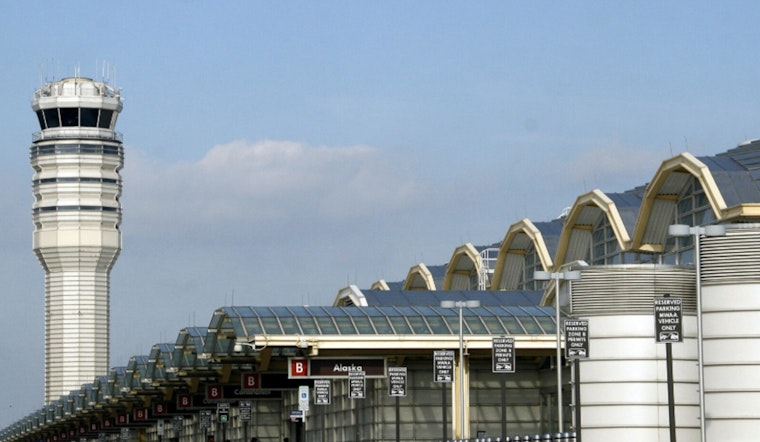
Parking at Reagan National and Dulles could soon feel a lot less like a scavenger hunt. The Metropolitan Washington Airports Authority is putting roughly $17 million into new parking technology at both airports, with an eye toward faster exits and payment systems that finally catch up to the apps on your phone.
The upgrades are expected to bring automated license plate recognition and mobile wallet options to the two airport system. The goal is to shift toward ticketless, app friendly parking that lets drivers roll in, park, pay and roll out with fewer bottlenecks at the exit gates.
As reported by Washington Business Journal, the authority on May 19, 2026, allocated roughly $17 million for new parking access and revenue control systems at both airports. The outlet notes that planned features include automated license plate readers and mobile payment capability intended to speed up the exit lanes.
What MWAA plans to install
On paper, MWAA’s wish list is pretty ambitious. The authority’s technical specifications for a modern Parking Access and Revenue Control System, or PARCS, call for a unified platform that ties both airports together.
The specs envision license plate recognition on entry and exit lanes, mobile license plate inventory tools and pre booking options. Those pieces are meant to support ticketless exits, real time space counts and tighter integration with mobile payment apps so the system recognizes a car by its plate rather than a paper ticket.
MWAA has outlined a uPARCS strategy dating back to 2015, laying out how a unified system would track inventory, reduce leakage in revenue collection and streamline the driver experience.
Privacy and enforcement questions
The push toward automated license plate recognition also revives a familiar regional debate. MWAA’s recent rollout of so called Flock cameras along the Dulles Toll Road drew attention from drivers who were not thrilled to learn that their plates were being scanned on the commute.
NBC Washington reported that MWAA described the cameras as tools for responding to stolen vehicle reports and Amber Alerts, not a ticket writing dragnet. Civil liberties groups, including the ACLU, have countered that automated license plate reader networks can easily morph into broad location tracking systems if there are no strict limits on how long data is stored and who can access it.
ACLU materials urge agencies to adopt clear privacy safeguards around ALPR deployments, including short retention windows, tight access controls and transparency about how plate data is shared with other entities.
How drivers may notice the change
For people who actually park at DCA or IAD, the most obvious differences could show up at the gates and pay points. The new system is expected to mean fewer stops at pay stations and more payment choices, including mobile wallets and prebooked spots that rely on plate recognition to log when a car comes and goes.
The shift lines up with a broader regional trend toward contactless parking. Metro’s “Tap. Ride. Go.” rollout is extending contactless parking and recognition tech across WMATA facilities. WMATA says the program is expanding options tied to riders’ mobile wallets and smart cards, giving commuters more ways to pay without fussing with paper tickets or cash.
What’s next
The Washington Business Journal piece notes the roughly $17 million price tag but does not list a firm procurement timeline or name a vendor, and MWAA has not yet posted a detailed project schedule on its public news feed.
The authority’s capital program and future board agendas are expected to fill in the blanks on procurement dates and rollout details over the coming months. In the meantime, travelers who park at Reagan National or Dulles should expect phased construction and occasional lane shifts as the new equipment gets installed, hopefully in service of fewer headaches once the system is live.





