

























































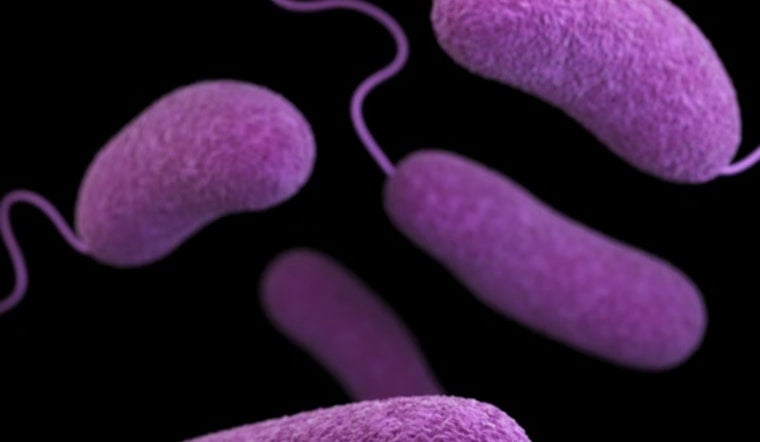
State health officials are sounding the alarm about Vibrio bacteria, including the particularly dangerous Vibrio vulnificus strain, in North Carolina’s coastal waters. Infections recorded last year included several severe cases. Illness can range from mild gastrointestinal upset to rapidly progressing wound infections that can cause sepsis, amputation or death, and with warmer weather ahead and new quarterly data due in May, public health officials are urging extra caution around raw shellfish and open wounds.
According to The Charlotte Observer, the N.C. Department of Health and Human Services reported that the state recorded 135 Vibrio infections in 2025, including 13 cases of Vibrio vulnificus and one death. The department releases Vibrio case data on a quarterly schedule, and first quarter 2026 totals are expected to be published in May.
Symptoms and who is most at risk
The CDC notes that common Vibrio symptoms include watery diarrhea, stomach cramps, nausea, vomiting, fever and chills. When the infection reaches the bloodstream, it can trigger fever, dangerously low blood pressure and blistering skin lesions. People with liver disease, cancer, diabetes, HIV, thalassemia or other conditions that weaken the immune system face a higher risk of severe complications, according to the CDC.
What state surveillance shows
The N.C. Department of Health and Human Services’ enteric disease summary for 2024 shows that Vibrio counts have been higher in recent years, with 125 Vibrio infections reported in 2024 and a continuing seasonal peak from July through October. That report also highlights Vibrio vulnificus as less common but more severe. Local environmental health teams can assist with shellfish traceback and close harvest areas if a source is implicated, and the state guidance stresses wound precautions and prompt medical care for suspected infections. N.C. Department of Health and Human Services data and analysis underpin those recommendations.
Warming water is widening the risk
Researchers and reporters have pointed out that Vibrio thrives as coastal waters warm, and rising temperatures are expanding suitable habitat northward. Coverage in outlets such as Grist and reporting by National Geographic link the recent uptick in cases to longer stretches of warmer, lower-salinity conditions that let the bacteria multiply more quickly.
How to protect yourself
Public health guidance from the state and the CDC is straightforward, if not exactly oyster-bar friendly: avoid eating raw or undercooked shellfish, thoroughly cook seafood, and keep open wounds out of salt or brackish water. If you get a cut while in coastal water, wash it promptly with fresh water and seek medical attention for redness, swelling, fever or other signs of infection. Antibiotics are reserved for severe cases, and the CDC notes that fast treatment can be lifesaving.
What to watch in May
The state’s quarterly vibriosis numbers for the first quarter of 2026 are expected in May, and officials say those figures will help show whether last year’s rise is continuing into this season. Local health departments and the N.C. shellfish program can close harvest areas if a supply is implicated, and residents with underlying health conditions are urged to be especially cautious as warmer weather brings more beachgoers and more shellfish harvest activity. For the numbers cited here, see state surveillance documents from the N.C. Department of Health and Human Services.





