

























































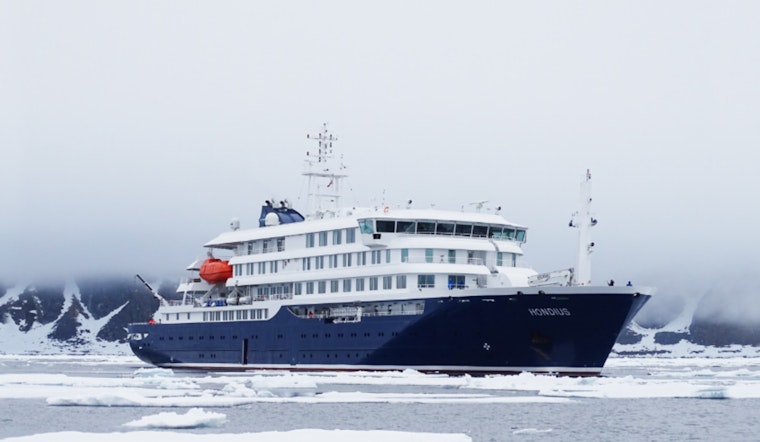
Three people are dead and at least three more have fallen ill after a suspected hantavirus outbreak on a transatlantic expedition cruise, health officials said Sunday. The cases were reported on a small expedition vessel sailing from Argentina toward Cape Verde, where what was meant to be an adventurous crossing has turned into a tightly managed medical emergency. One passenger has been laboratory-confirmed with hantavirus, and another is in intensive care in South Africa. Investigators say laboratory testing and genetic sequencing are underway while authorities coordinate evacuations and treatment for people showing symptoms.
The World Health Organization has confirmed the three deaths, reporting one laboratory-confirmed case and five additional suspected infections, according to the Associated Press. WHO says it is helping member states and the ship’s operator organize medical evacuations and carry out a full public health risk assessment.
South African health officials told Agence France-Presse that the initial cluster was reported as a "severe acute respiratory illness." A patient evacuated to Johannesburg later tested positive for a hantavirus, spokesperson Foster Mohale said, per The Guardian. According to Mohale, the first person to fall ill, a 70-year-old man, died on board, and his body is currently at the British territory of Saint Helena. His 69-year-old wife was airlifted to Johannesburg and later died in the hospital. Authorities have not officially released the nationalities of the victims, though media reports suggest a Dutch couple may be among those who died.
Ship-tracking data and news reports have identified the vessel as the Dutch-flagged MV Hondius, which was located off the port of Praia in Cape Verde as the situation unfolded, according to WBAL NewsRadio. The ship’s operator, Oceanwide Expeditions, lists the Hondius on an Atlantic itinerary from Ushuaia to Cape Verde. The Hondius is a small polar-class expedition vessel that normally carries fewer than 200 passengers and runs remote routes, a setup that is great for wildlife spotting and far less convenient when you suddenly need rapid medical evacuations. Oceanwide had not immediately issued a public statement when initial reports began circulating.
What is hantavirus?
Hantaviruses are a family of viruses carried by rodents that can trigger hantavirus pulmonary syndrome, a severe respiratory illness that may quickly progress to respiratory failure, according to the CDC. People are typically infected after breathing in tiny particles containing virus from rodent urine, droppings, or saliva. Most known strains are not spread from person to person. However, certain South American strains, including the Andes virus, have been linked to rare human-to-human transmission. There is no specific antiviral cure, and treatment is mainly supportive, often requiring intensive care for the most serious cases, which is why quick recognition and hospital-based care are so important.
How officials are responding
WHO says it is coordinating with national health authorities and the ship’s operator to evacuate sick passengers for hospital care and to support medical management of those who remain on board, according to the Associated Press. Health agencies have begun detailed epidemiological investigations and additional laboratory testing, including sequencing work that should clarify the exact hantavirus strain involved and help determine whether extra containment measures are needed.
Advice for passengers and travelers
Public health guidance advises that anyone who sailed on the Hondius or had close contact with sick passengers should seek medical care if they develop fever, muscle aches, cough, or shortness of breath, according to the CDC. Officials also stress basic infection-control measures, including isolating people who develop symptoms and using personal protective equipment when caring for patients, while testing and contact tracing continue. During outbreaks on ships, cruise operators typically work with port and national authorities on controlled disembarkation plans, and passengers are urged to follow instructions from crew and health officials even when details are still coming into focus.
Investigations are ongoing, and authorities caution that more information is likely as laboratory work and sequencing are completed. WHO and national health agencies are expected to release further updates as they become available, according to The Guardian. For now, officials say the risk to the general public remains low, although the episode is a stark reminder that rare rodent-borne infections can surface in some of the unlikeliest places.





