

























































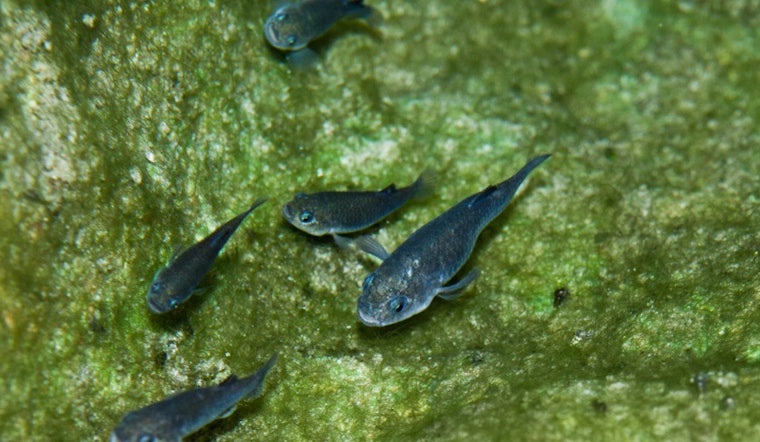
For a species that survives in a single sunken rock pool in the desert, the last 18 months have been a nail-biter. Distant earthquakes stripped the algae off the pupfish's shallow spawning shelf, managers rushed captive-bred fish back into Devils Hole, and this spring divers finally spotted a wave of juveniles - a hint that the population may be bouncing back. But those hurried moves also left a hole in the scientific record that biologists now have to patch.
Quakes Stripped Devils Hole’s Food Shelf
Scientists say two distant earthquakes in December 2024 and February 2025 set off unusual waves - known as seiches - in Devils Hole that scoured algae and eggs off the shallow shelf where the tiny pupfish feed and spawn. The National Park Service documented those waves and reported that the cavern had been at a high fish count just months earlier, a contrast that highlights how fast conditions flipped. The agency has continued to track and publish survey results as the response has unfolded.
Desert Backup Tank Became a Lifeboat
To prepare for exactly this kind of crisis, the U.S. Fish and Wildlife Service built a purpose-made refuge tank at the Ash Meadows Fish Conservation Facility, a roughly 100,000-gallon concrete tank engineered to mimic the Devils Hole shelf. That captive population, founded from eggs collected starting in 2013, supplied the fish that managers moved back into the wild this year. Officials say the refuge has been the backbone of decades of emergency planning at the site. U.S. Fish & Wildlife Service.
Rushed Releases, Missing DNA and Hard Trade-offs
As wild counts slid, managers stopped debating and started moving fish. Crews pulled 19 captive-bred pupfish from the refuge tank on March 11, 2025, then later released roughly 50 more to prop up the wild population. In the scramble, the lab did not take genetic fin-clip samples from that first group, a step that would normally let researchers distinguish released fish from the original wild population. Without those samples, scientists currently cannot tell the two groups apart, a gap that is already fueling debate over how to balance emergency action against careful data collection. KUOW.
Genetic History Explains Why It Matters
Devils Hole pupfish are among the most inbred vertebrates ever studied, and a 2022 genetic analysis found severe inbreeding and a heavy load of harmful mutations, making every bit of genetic diversity critical to the species' long-term resilience. That backdrop is why researchers are so uneasy about the missing genetic data from the first emergency release - it makes it much harder to track how captive fish shape future generations. Proceedings of the Royal Society B.
Signs of a Rebound, With Big Questions Ahead
This spring, divers counted about 77 fish in Devils Hole and reported seeing many baby and juvenile pupfish, an encouraging sign that the population is breeding again after the crash. Incident commanders from the National Park Service, U.S. Fish and Wildlife Service and the Nevada Department of Wildlife say they are now putting a genetics management plan in place and have started collecting DNA from fish moved into the hole from here on out. Officials describe their outlook as cautiously optimistic: the numbers are up for the moment, but scientists still have unresolved questions about genetic mixing and how resilient this tiny desert fish will be in the years ahead. KUOW.



