

























































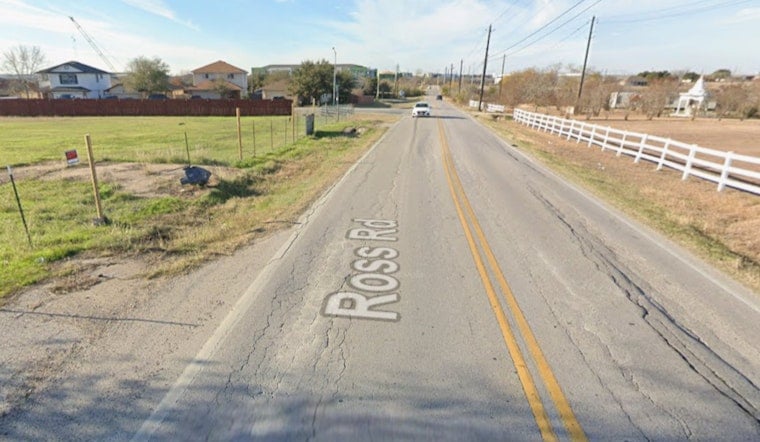
After years of neighbors organizing for something beyond convenience-store fare, Del Valle is finally on the verge of getting its own community-owned grocery. Organizers say they have locked in a site at 5807 Ross Road and secured more than $500,000 in city support to launch a pilot store. The plan is to open a temporary modular storefront this year while leaders work through rezoning and pull in more funding for a permanent brick-and-mortar location.
City backing and rezoning
On April 23, the City Council voted to kick off rezoning for the Ross Road property so it can legally host on-site food sales, according to council records. The move follows city staff plans to earmark $500,000 in American Rescue Plan Act recovery dollars for the Del Valle Food Co-op as part of a broader push to improve food access in the area, with details spelled out in public briefings and budget documents from Austin City Council.
Pilot plan and site
The co-op’s board has signed a three-year lease for 5807 Ross Road, but the land is still zoned residential and must be changed before full grocery operations can begin. In the meantime, organizers plan to start selling food out of a temporary modular portable on the site while they raise money for a permanent store. The pilot is expected to launch later in 2026, according to coverage by Community Impact and information on the co-op’s website.
Membership, model and stocked goods
Co-op leaders have opened membership to the public, offering $50 shares that come with lifetime ownership, voting rights and member discounts. City staff briefings show the board is aiming for roughly 1,200 members by October to help seed the pilot and keep it financially stable in its early days. Initial inventory will focus on basics like eggs, milk, rice, beans and fresh produce, along with culturally relevant foods tailored to Del Valle’s Hispanic community, according to updates from City of Austin staff.
Why it matters
Del Valle has gone without a full-service supermarket for years, leaving many residents leaning on convenience stores or long drives just to do a basic grocery run. Local organizers and nonprofits have spent years holding meetings and workshops in multiple languages to make sure the co-op reflects neighborhood priorities, especially around affordability and culturally familiar foods. Background on those food-access gaps and community efforts comes from GAVA and reporting by KUT.
What’s next
The rezoning process must wrap up before the modular portables can be installed and the pilot can actually open its doors. City staff and co-op leaders say that work is expected to finish this summer, after which organizers plan to roll out community events and gradually phase in store operations. Residents who want to back the project can buy a membership share through the co-op’s sign-up system and attend outreach events to weigh in on what ends up on the shelves and how prices are set, according to Community Impact.





