

























































After a 14-month battle with Anthem Blue Cross Blue Shield, Denver mother Sarah Bilal finally got the insurer to reverse a denial of coverage for her son’s emergency surgery. Her son, Zion, suffered a compound fracture while skateboarding in March 2025 and was transferred for specialized pediatric care. Before Anthem changed its decision, the family’s explanation of benefits showed roughly $67,000 in charges - a bill that could have landed on the family if the claim had remained denied.
How the claim began
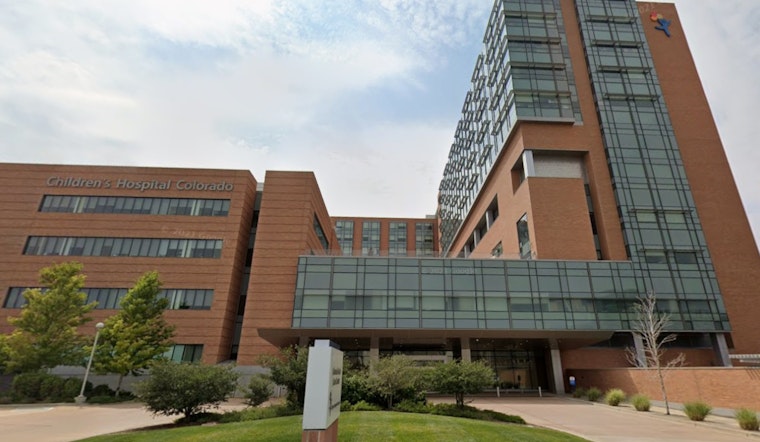
As reported by 9News, Zion was taken by ambulance to Lutheran Medical Center and then transferred to Children’s Hospital Colorado, where he underwent surgery. Anthem initially denied the children’s hospital claim, saying it had not received documentation that the transfer was an emergency and, therefore, treated the care as non-emergency out-of-network. The hospital’s explanation of benefits listed about $67,000 in charges.
Who stepped in
The Colorado Consumer Health Initiative’s Consumer Assistance Program began working with the family, helping them gather records and push the insurer to review the case. CCHI offers free help to Coloradans dealing with billing disputes and appeals, walking patients through what paperwork and documentation to submit.
Appeals, reversal and the insurer's response
According to 9News, Sarah Bilal filed multiple appeals over 14 months. A phone appeal in April 2025 was rejected because verbal appeals were not being accepted. A written appeal submitted in July 2025 went unacknowledged, and a second written appeal followed in November 2025. After CCHI and the family continued to press Anthem, and the insurer received additional documentation, Anthem reversed its decision and adjusted the claims so the surgery would be processed as a covered benefit. Melissa Duncan of CCHI described the case as "part of a troubling pattern involving facility-to-facility transfers," and Anthem apologized for the frustration the family experienced, according to the station’s reporting.
What the No Surprises Act means
The federal No Surprises Act is designed to protect patients from unexpected bills for emergency care and to limit balance billing by out-of-network providers. Federal guidance explains that when care qualifies as emergency-level, health plans generally must treat the claim as if it were in-network and apply in-network cost sharing, although disputes over documentation and transfers can still occur. For more background on the law and patient protections, see CMS.
Why this matters
The Bilal family’s outcome highlights the importance of keeping detailed records, pursuing appeals, and seeking help from consumer-assistance groups. CCHI recommends that patients gather transfer notes, ambulance reports, and emergency department documentation and contact a consumer assistance program early if insurers deny emergency claims. For Colorado families facing similar denials, the Colorado Consumer Health Initiative’s Consumer Assistance Program can help navigate appeals and paperwork.



