

























































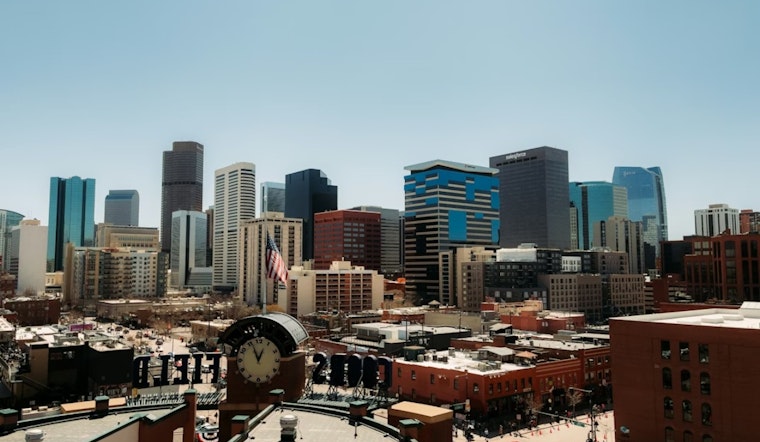
Denver is gearing up to warm and cool chunks of its downtown with a first-of-its-kind hybrid thermal network that links deep geothermal wells, a closed loop of circulating water and heat skimmed straight from city sewers. City officials say the system could eventually serve office towers, museums and even keep sidewalks clear of ice, all without burning fossil fuels. They expect the plan to move from paper to an on-the-ground pilot within the next two years.
What the city is proposing
The concept centers on a closed-loop thermal network that shuttles warmed and cooled water between buildings, using geothermal boreholes, industrial heat pumps and wastewater heat as the main ingredients. A 2025 feasibility study cited by city planners pegged the full buildout at roughly $280 million to $320 million and concluded the network could be up to 75% cheaper than other strategies to decarbonize the pilot buildings. City leaders say a small “micro-loop” tying together two buildings and a sidewalk snowmelt system is targeted within about two years, with as many as nine buildings potentially connected by 2030, according to NPR.
Sewage heat is already being used in Denver
Warm wastewater flowing through large interceptor pipes carries usable thermal energy that can be captured with plate-and-frame heat exchangers, then boosted by heat pumps into building heat. Metro Water Recovery says the method is already proven and can be scaled to serve campus-level and district-sized loads. Denver is not starting from scratch, either. The same approach is in place at the National Western Center, where a central utility plant captures heat from sewer flows to supply energy to campus buildings.
Geothermal drilling and the Cherokee Boiler House
On top of the sewer heat piece, city engineers are eyeing hundreds of geothermal boreholes beneath downtown parking lots, tapping steady temperatures more than 1,000 feet below ground, while turning the historic Cherokee Boiler House into the system’s central hub. Experts told NPR that combining these technologies is a practical way to cut carbon, even if some components sound flashier than others. One consultant quipped that “geothermal sounds sexier than wastewater thermal,” while another pointed out that “heat pumps can move heat wherever you need it.” Mayor Mike Johnston has pitched the plan as a chance to put Denver “in what can be the future of energy” for the city.
Cost, timeline and what to watch
Up-front construction, trenching, and financing are expected to be the biggest political and logistical headaches, even if long-term operating costs eventually fall. Supporters are holding up the National Western Center and other sewer-heat efforts as proof that the basic idea works locally, while utilities, building owners, and downtown businesses wait to see whether the pilot delivers reliable comfort without shocking energy bills. Engineers and city staff say the micro-loop, the performance data it generates, and follow-on design work will ultimately decide whether the network grows beyond the initial cluster of buildings.
If the pilot delivers, Denver could become a national case study in how to turn waste heat into dependable, lower-carbon warmth. If it stumbles, the price tag and downtown disruptions will become the takeaway. Either way, expect more technical reports and a clearer financing roadmap as the city and its partners try to move this unusual thermal experiment from concept to concrete over the next two years.



