

























































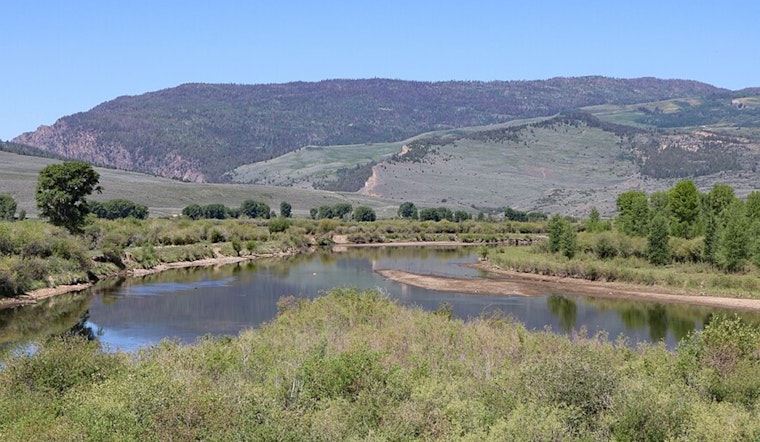
At Friday's Outside Days industry summit in Denver, conservation leaders did not mince words. Colorado's public lands, they warned, are taking fire from all sides - from shifting federal rules to climate-fueled wildfire risk and long-running budget gaps. Former Interior Secretary Ken Salazar told the crowd, "There's no [better] time for people to stand up … to protect our public lands … than today." The comments came as outdoor companies, advocacy groups, and water managers gathered on the Auraria Campus for the festival and an industry conference.
About 36% of Colorado - roughly 24 million acres - is public land, and those acres underpin an $18 billion outdoor recreation economy, according to Axios. Summit attendees said that the combination of size and economic weight raises the stakes for any federal policy that would open, sell, or starve those lands of funding.
Threats On Several Fronts
Speakers pointed to recent federal moves that conservationists say would loosen protections and invite new grazing or extraction on public acreage. The Guardian reported proposals to expand grazing and fast-track development on millions of acres, and advocacy groups say rule rollbacks and staffing cuts are compounding the problem. The National Parks Conservation Association has also warned that rescinding land-management standards and shrinking agency capacity leaves forests and refuges more exposed to development and wildfire.
What Initiative 308 Would Do
Conservation organizations at the summit rallied behind a ballot option they hope will push back on those trends. Initiative 308 would direct the state's existing sales tax on certain sporting goods into a new "Conserve and Protect Colorado’s Water, Land, and Forests Fund" to pay for wildfire mitigation, state parks, river and forest restoration, outdoor equity grants, and outdoor-recreation economic programs. The measure's final text, filed with the Colorado Secretary of State, lays out the fund's distribution and mechanics in detail.
Supporters said the proposal could generate roughly $175 million for conservation and recreation programs, although it would fall short of the broader need they put at about $4 billion. Denver Water CEO Alan Salazar, who backs the measure, told Axios, "It's a lot of money, but it's nowhere near meeting the need that we have - about a $4 billion need." At the same time, opponents and fiscal analysts warn that the measure could reduce general-fund flexibility. In years without excess revenue, the redirected receipts would mean less discretionary money for education, health care, and other programs. For background on Salazar's role in state water management, see Denver Water.
Where It Stands Now
The initiative is approved for circulation by the Title Board and must gather petition signatures to qualify. The Colorado Secretary of State lists the proposal and shows petition deadlines for the 2026 cycle. If proponents clear the signature threshold, the measure would appear on the November ballot and kick off a statewide campaign that will pit outdoor-industry groups and conservation partners against fiscal and policy skeptics. The Title Board listing and the initiative's filings are available from the Colorado Secretary of State.
For Denver and much of Colorado, the fight is local and immediate. The state's mountains, rivers, and forests are not just scenic backdrops - they are economic infrastructure that communities depend on. This summer's petition drives and the fall campaign will test how much flexible state revenue voters are willing to trade for dedicated conservation funding as federal policy and climate pressures continue to reshape the West.





