

























































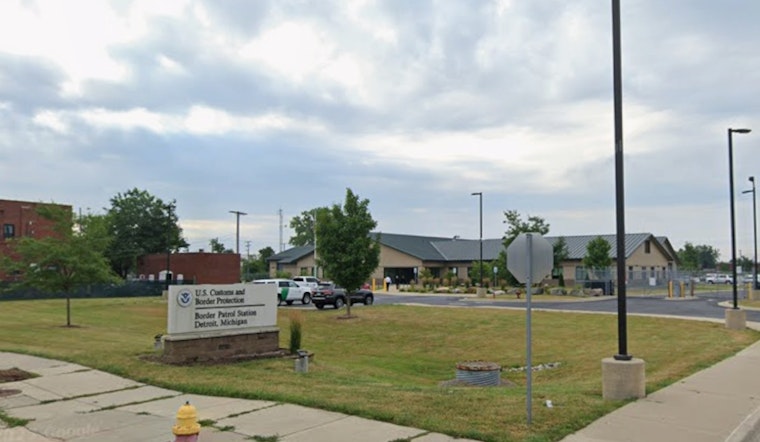
The U.S. Border Patrol's Detroit Sector has logged more narcotics seizures than any other unit along the northern border since 2019, according to a federal review, putting metro Detroit at the center of a high-stakes fight against cross-border drug trafficking.
From 2019 through March 31, 2026, the Detroit Sector recorded 681 narcotics seizures, the most of any of the eight northern sectors, based on agency figures compiled by the Detroit Free Press. That total counts each seizure event, whether it involved multiple drug types in a single bust or separate seizures across the sector's sprawling patrol area.
Federal auditors who dug into Customs and Border Protection data say the drug mix along the northern border has shifted sharply in recent years. Marijuana seizures have fallen while fentanyl has surged. The Government Accountability Office reported that fentanyl seizure events jumped about 746% between fiscal year 2019 and fiscal year 2024. Using Border Patrol data through March 31, 2025, auditors also noted increases in some other hard drugs and firearms in certain sectors.
What the Detroit sector covers
The Detroit Sector is responsible for roughly 863 maritime miles of the U.S.-Canada boundary, including parts of Lake St. Clair and the Detroit, St. Clair, and St. Mary’s rivers. Agents staff stations in Detroit, Gibraltar, Marysville, Sault Ste. Marie and Port Clinton. According to CBP, sector headquarters sit at Selfridge Air National Guard Base near Mount Clemens, and the combination of heavy marine traffic and nearby major roadways makes intercepting smugglers especially challenging.
What agents are seizing
Agents in the Detroit Sector have taken in a wide variety of narcotics, including marijuana, methamphetamine, cocaine, fentanyl, heroin, and ecstasy, according to the Detroit Free Press. The outlet's review of agency data shows thousands of pounds seized in recent years, including about 1,275 pounds in 2024 and roughly 319 pounds in 2023, with about 147 pounds reported so far this year. Those totals reflect a mix of vessel interceptions, targeted inspections of mail and warehouses, and land stops on routes leading away from the border.
Why waterways make enforcement tricky
The GAO review warned that a mix of narrow waterways, heavy boat traffic, and limited remote surveillance makes it especially tough to spot and stop smugglers in the Detroit Sector. Auditors also found that staffing levels across the northern border dropped in recent years, while some categories of seizures and apprehensions climbed. They urged CBP to put together plans to close critical workforce gaps. Those technology and staffing shortfalls help explain why sectors with intense water traffic often rack up higher seizure numbers.
Officials say they will keep collaborating
Acting Chief Patrol Agent Javier Geronimo Jr. told local media that Detroit Sector agents “continue to collaborate with our local, state, and federal partners to safeguard our communities and uphold the security of the United States.” As reported by WNEM, Geronimo praised his agents' professionalism and said the sector will keep coordinating with CBP Air and Marine units along with state task forces.
For Detroit-area residents, the numbers are a reminder that northern-border drug enforcement plays out in many different arenas, including marine patrols, inspections at ports and mail facilities, and highway investigations farther inland. Auditors and agency officials say better surveillance technology and more targeted staffing are the next steps they hope will help cut the flow of dangerous drugs into the region.





