

























































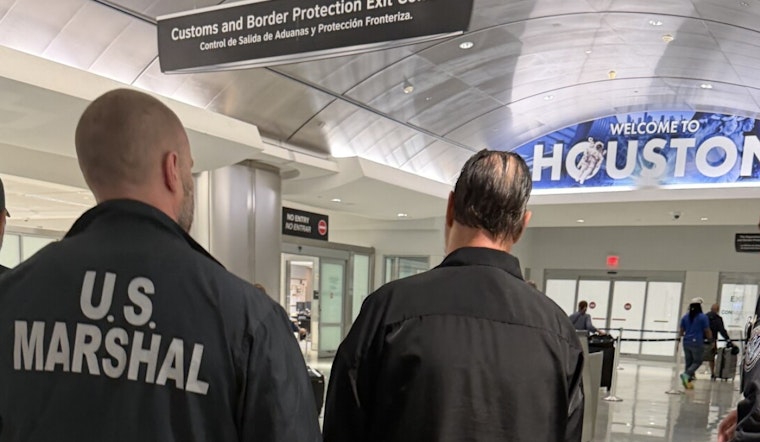
A Detroit man accused of killing his roommate in 1993 has been captured in Panama City after more than three decades on the run, according to authorities. The suspect, 56-year-old Richard Werstine, who has also gone by the name Joseph Alan Stavros, was arrested at a dog park in Panama City and is being returned to Wayne County for processing. Werstine was originally arrested in connection with the 1993 killing of his 23-year-old roommate, Rodney Barger, but never showed up for trial, leading to an outstanding warrant issued in June 1994. Federal investigators say the arrest finally closes a long-running fugitive case.
Arrest at a dog park
According to WXYZ, the U.S. Marshals adopted the Michigan warrant in May 2022 and started tracking leads that pointed to Werstine living in Panama. Investigators say he was carrying a fake ID when he was taken into custody, and fingerprint analysis afterward tied him to the decades-old warrant. Werstine told authorities he had entered Panama illegally in 2005, according to the outlet.
Marshals' role and context
The U.S. Marshals Service routinely teams up with state, local and international agencies on fugitive hunts and cross-border arrests. The agency reports it cleared more than 73,000 warrants in fiscal year 2023, highlighting the sheer volume of fugitive cases it tackles, according to the U.S. Marshals Service.
Old warrant, new custody
WXYZ reports that Werstine was initially arrested following the alleged 1993 killing but failed to appear in court, prompting the June 1994 warrant. After authorities confirmed his identity in Panama, U.S. Marshals brought him back to the United States and handed him over to Wayne County officials. So far, officials have not publicly laid out his next court dates or clarified whether prosecutors will refile charges, and Wayne County records will ultimately determine how the case proceeds.
What’s next
Werstine will be booked and processed by Wayne County authorities, and any arraignment or extradition paperwork will be handled by local prosecutors and the courts. The case is a reminder that even long-dormant warrants can catch up with fugitives when old fingerprints, fresh leads and interagency coordination finally line up.





