

























































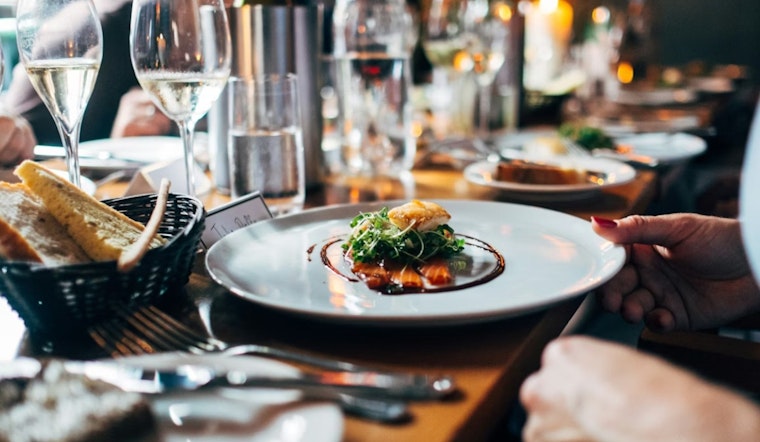
Weekday lunch crowds that once packed downtown and Midtown dining rooms are thinning out, leaving some spots noticeably quieter at noon. Servers and small operators say the weekday rush that used to be a sure thing is now smaller and far less predictable than it was before the pandemic.
Local workers and restaurant staff point to hybrid schedules and a soft economy as the main culprits. Reporter Jay Davis has found that longtime lunch fixtures are seeing fewer office workers and smaller tabs, and staffers such as Leif Woodhouse, a waiter at Mario's in Midtown, say midday shifts feel much slower than they used to, according to Crain's Detroit Business.
Badge swipes show hybrid work is reshaping foot traffic
Security badge trackers and industry barometers show offices are still below pre-pandemic levels overall, with midweek spikes and quiet Mondays and Fridays. Kastle Systems' Back to Work Barometer has recently logged weekly occupancy readings in the mid-50s, a pattern that compresses lunchtime demand into the busiest midweek days. That rhythm makes it harder for restaurants that rely on a steady noon crowd to plan staff and menus, according to data from Kastle Systems.
Downtown and the riverfront feel the pinch
High-profile shifts in downtown property plans are amplifying the slowdown. The Renaissance Center, long home to riverfront staples such as Joe Muer and Andiamo, has seen retailers and tenants adjust or change plans as GM moves its headquarters and the complex faces redevelopment. Local restaurateurs say all that activity has reduced foot traffic during weekday lunches. The changes at the RenCen and other downtown projects are detailed by The Detroit News.
Operators pivot to survive
Across the country, restaurants are responding to thinner midday habits by trimming lunch hours, boosting off-premises options, and leaning more on catering and dinner service to make the numbers work. National coverage has chronicled how many downtown operators have cut some weekday lunch days or invested in corporate catering and revamped takeout offerings to offset lost business. The Washington Post also notes that employers are pouring money into upgraded on-site cafeterias as a way to lure employees back, a move that could further change the calculus for midday dining.
Small spots adjust locally
In Midtown and nearby neighborhoods, some independent eateries are tweaking schedules and sharpening lunch promotions to catch the remote worker who wanders in around noon. Crain's reporting found owners experimenting with grab-and-go menus, shortened lunch shifts, and expanded catering to keep revenue steady as the traditional power-lunch cadence fades. Those local strategies are already reshaping how servers and managers plan week to week, according to Crain's Detroit Business.
What to watch
The path back for Detroit's midday scene will hinge on whether employers tighten return-to-office rules, whether major redevelopment projects bring new daytime workers into the core, and how restaurants continue to adjust their business models. Planners and restaurateurs say the next few quarters will be a test: steady increases in office occupancy could lift lunch traffic, while a sluggish economy will keep operators focused on takeout and evening covers. The downtown redevelopment and its impact on restaurants are further explained by The Detroit News.





