

























































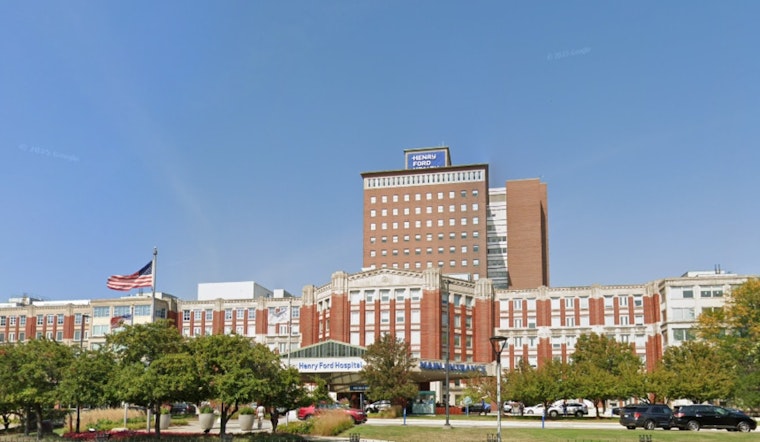
A 33-year-old Detroit woman has etched her name into Michigan’s medical history as the first person in the state to receive a combined intestinal and kidney transplant. Surgeons at Henry Ford Hospital performed the roughly 10-hour operation on January 14, replacing a failing intestinal graft and a damaged kidney in one tightly choreographed surgery. The patient, identified as Briana Dery, then spent about six weeks recovering in the hospital.
Dery had previously undergone an intestinal transplant at Henry Ford in 2017 after being diagnosed with chronic intestinal pseudo-obstruction caused by visceral myopathy. Over time, doctors say, the powerful anti-rejection medications that kept that graft working took a serious toll on her kidneys. Reflecting on the medical advances that made a second transplant possible, Dery told reporters, “Anything is possible,” according to MLive.
How surgeons staged the operation
To pull off the complex two-organ procedure, Henry Ford’s transplant teams staged the work in carefully planned phases. Multiple surgical teams operated in sequence, first implanting the new intestinal graft, then moving on to the kidney transplant. That order helped limit cross-contamination and manage the amount of time each organ spent outside the body.
The hospital’s transplant program regularly tackles complicated multiorgan cases and emphasizes meticulous antibody matching and strong transplant immunology support to cut the risk of rejection, according to Henry Ford Health.
Why the surgery is rare
Intestinal transplantation in general remains rare in the United States and is known for a relatively high risk of rejection, which makes combinations like an intestine-and-kidney transplant even more unusual. Nationally, intestine-containing transplants totaled only about 82 in 2022, underscoring how specialized these surgeries are, according to the OPTN/SRTR 2022 Annual Data Report.
What it could mean for other patients
Clinicians at Henry Ford say the success of Dery’s combined transplant could expand options for people with severe intestinal failure who later develop kidney disease from years of immunosuppression. “Anti-rejection medicines can cause kidney damage,” Dr. Dean Kim said, noting that the case may open the door to more two-organ procedures of this kind, as reported by MLive.
For Dery, the operation offers a renewed shot at normal digestion and, health officials say, a path away from dialysis and the revolving door of hospital stays. Henry Ford leaders have pointed to the transplant as a showcase of the hospital’s multiorgan expertise, and Dery will remain under close outpatient monitoring to watch for signs of rejection and fine-tune her immunosuppression regimen.





