

























































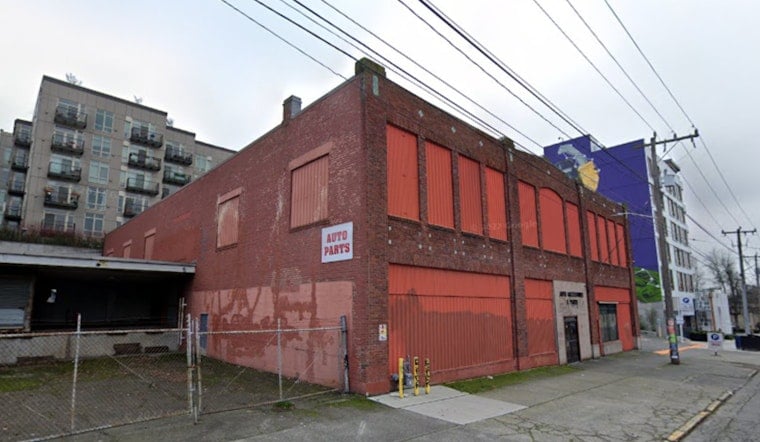
A century-old brick warehouse on Capitol Hill’s historic Auto Row finally has a new owner, with the former Auto Accessories building at 1520 13th Ave selling for about $10 million and closing the book on roughly six years of sitting mostly empty. The deal lands right in the middle of the Pike/Pine corridor’s ongoing building boom, adding fresh development pressure to a stretch that has already seen plenty of cranes.
Sale and reporting
According to the Puget Sound Business Journal, the two-story warehouse traded hands for roughly $10 million and had been largely vacant for about six years before the deal closed.
The site and zoning
Commercial offering materials show the property at 1520 13th Ave covers roughly a third of an acre, with a building footprint of about 23,040 square feet and a construction date in the 1920s. It is zoned NC3P-75 (M), a designation that supports taller, mixed-use projects in pedestrian-oriented commercial districts. An offering memorandum from ORION Commercial Partners has pitched the site squarely as a redevelopment opportunity.
What developers are considering
Local reporting indicates developers have been circling the Auto Accessories site with mixed-use ideas for some time, and early paperwork sketched out a mid-rise, residential-heavy concept that would require design review. Capitol Hill Seattle noted project teams and preliminary schematic work surfacing in city files as interest in the block picked up.
Auto Row's changing face
Capitol Hill’s Pike/Pine corridor was once part of Seattle’s early 20th century Auto Row, a tight cluster of dealerships, garages and parts suppliers that left behind the brick and timber building stock many neighbors fight hard to keep. That context, outlined in a cultural resources report from the Washington State Department of Archaeology & Historic Preservation, tends to sharpen debates over how to balance historic character with the push for more housing.
What to watch next
For now, the clearest tells will be in the city’s permit system. A formal design review packet, permit applications and public comment windows will reveal what the new owner actually plans to build, and neighborhood groups typically show up in force once that paperwork lands. Capitol Hill Seattle reported that early filings already indicate the project will head into the public review process, so expect new documents to hit the city’s permit portal in the weeks and months ahead.



