

























































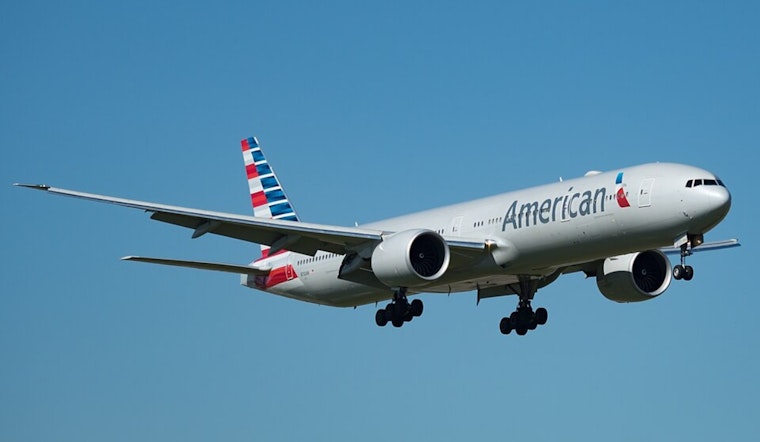
In a move that could finally retire the phrase “terrible plane Wi‑Fi,” American Airlines said today that it will equip more than 500 narrowbody jets with SpaceX’s Starlink internet, turning up the heat in the in‑flight Wi‑Fi arms race. The rollout will zero in on Airbus narrowbodies, including incoming A321neo and A321XLR deliveries, and is set to kick off in the first quarter of 2027. For now, American’s Boeing fleet is sitting this one out.
According to a dispatch from Reuters, American plans to equip more than 500 aircraft with Starlink and has not disclosed the financial terms of the deal. The Dallas Morning News reported that the Fort Worth‑based carrier will concentrate on its Airbus fleet and fold the new A321neo and A321XLR deliveries into the project.
Heather Garboden, American’s chief customer officer, told The Dallas Morning News that “Starlink’s high speed and low latency make the Wi‑Fi more reliable.” Jason Fritch, Starlink's vice president of enterprise sales at SpaceX, said the company was proud to bring Starlink aboard American to deliver faster, more reliable internet to passengers and crew. American is pitching the move as part of its push to deliver an “at‑home level” of connectivity on its narrowbody fleet, the kind that lets you forget you are 30,000 feet above Texas.
Starlink runs in low Earth orbit about 340 miles above the planet and advertises a round‑trip latency of about 25 milliseconds, giving it a big responsiveness edge over traditional geostationary systems, according to Starlink. The company says that lower latency is what makes streaming, online gaming, and real‑time collaboration possible in the air. Those technical perks are exactly why airlines are racing to bolt low Earth orbit broadband onto hundreds of short‑haul jets.
What Passengers Will Notice
American has already turned high‑speed Wi‑Fi into a loyalty perk. Earlier this year, the carrier rolled out complimentary access for AAdvantage members on many flights in a program sponsored by AT&T. American Airlines said the free service will extend across narrowbody and select mainline aircraft. Once Starlink installations are finished, that same free access could feel a lot less like a courtesy and more like a home broadband connection at cruising altitude.
The airline has not yet spelled out which streaming or premium features, if any, will stay behind a paywall on Starlink‑equipped planes. For now, the headline for regulars out of DFW is simple: sign in with your AAdvantage account, and the Wi‑Fi tab on your expense report may keep reading “$0.”
Where The Airlines Stand
American’s move puts it in the same Starlink camp as several rivals. Southwest says its first Starlink‑equipped aircraft will enter service this summer, with the system expected on more than 300 planes by the end of 2026, according to a recent release from Southwest Airlines. United, for its part, has been rapidly adding Starlink across regional and mainline jets after securing FAA approvals, the carrier said in its newsroom.
Not every major U.S. airline is hitching its Wi‑Fi wagon to SpaceX. Delta has teamed up with Amazon to bring Amazon Leo LEO‑satellite Wi‑Fi to hundreds of aircraft starting in 2028, according to an investor update from Amazon. The company said the agreement will pair Leo with AWS services to power new onboard experiences. The split among carriers highlights how airlines are juggling performance, cost, and tech integration decisions in a very public connectivity showdown.
American plans to start its Starlink installations in the first quarter of 2027, but has not detailed overall program costs or how long each retrofit will take. Reuters noted that financial terms have not been released. The work will mean downtime for each plane and will likely be staged to avoid throwing the schedule into chaos, industry trackers say. For travelers flying through American’s DFW hub, that should translate into noticeably faster, more reliable Wi‑Fi on many short‑haul flights within a year or two after the rollout gets underway.





_at_Miami_International_Airport.jpg)