

























































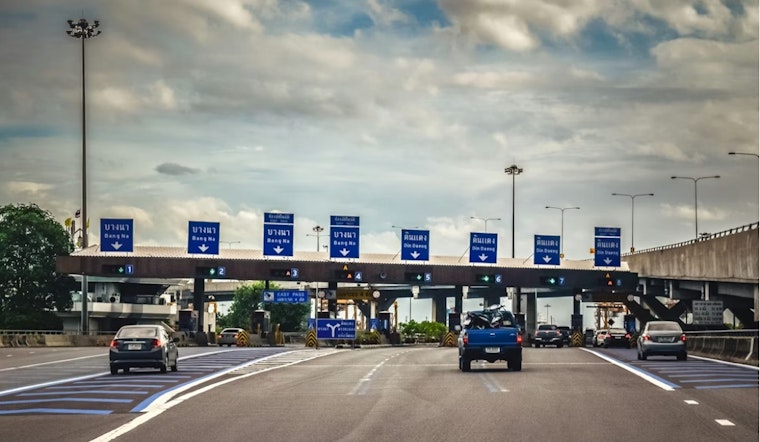
If you spend much time driving around Dallas-Fort Worth, you know the routine: toll gantries, dynamic express lanes and mail‑in bills, sometimes all in the same trip. A short hop on a managed lane can cost pennies per mile in light traffic, then jump close to a dollar or more at rush hour. Knowing who runs each road, how prices are set and whether you are paying with a TollTag or getting a ZipCash bill can be the difference between a manageable commute and a nasty surprise.
Who Runs DFW's Toll Roads?
North Texas drivers are dealing with more than one toll boss. The region’s network is carved up among agencies and private concession groups, which is why rules and customer service can change from corridor to corridor. The North Texas Tollway Authority operates several major turnpikes, while TxDOT and concessionaires run TEXpress managed lanes and some other projects, according to the Star‑Telegram. That split matters because billing, appeals and enforcement can send you to different websites and offices depending on which stretch of pavement you used.
How Pricing Works: Fixed Tolls vs. Congestion Pricing
On NTTA roads, toll rates are generally set during the authority’s budget process and do not change from minute to minute. TEXpress lanes are a different story. They use congestion-based, dynamic pricing designed to keep traffic moving around 50 mph, with rates rising as a lane fills up and dropping again when it clears. Managed lanes can swing from very low per‑mile charges outside peak times to much steeper prices during rush hour. For a breakdown of how TEXpress works and recent cost examples, see The Dallas Morning News.
Paying: TollTag vs. ZipCash
NTTA’s account information lists $10, $20 and $40 prepaid TollTag options and explains that TollTag customers get the lowest available rates plus automatic payments. Skip the tag and cameras will read your plates instead, which means a ZipCash bill shows up in the mail after your trip. NTTA warns that ZipCash customers generally pay about twice the TollTag rate, though they can still enroll in automatic payments to avoid extra late fees. For account options and TollTag benefits, see NTTA.
Enforcement and Late Fees
Once a bill is late, the meter starts running on fees. Reporting from The Dallas Morning News notes that repeated nonpayment can lead to escalating charges, referral to collections after roughly 100 days and potential credit impact. Keep ignoring the problem and you can also face registration holds and other legal steps. All of that makes a TollTag or at least an automatic payment setup a practical way to avoid a small bill turning into a big headache.
NTTA's Enforcement Process, Step by Step
NTTA’s billing page lays out the ZipCash cycle in detail. The initial bill gives you 25 days to pay just the tolls. A first notice tacks on a $10 late fee. A second notice adds another $25. Continued nonpayment can send the account toward collections. NTTA also defines a “habitual violator” as someone with 100 or more unpaid tolls in a rolling year who has received multiple notices. Penalties for that status can include a block on vehicle registration, orders prohibiting use of NTTA roads, citations and even possible impoundment. If you think a bill is wrong, NTTA allows you to request a hearing. Otherwise, payment or an agreed plan is what clears a registration hold, according to NTTA.
How To Check Prices Before You Go
To avoid sticker shock, it helps to preview your costs before you merge into a toll lane. NTTA and TxDOT both offer trip calculators, and TEXpress signs or apps can show current prices in real time so you can compare TollTag rates with mail‑in ZipCash charges. Regular commuters will usually come out ahead with a TollTag and automatic recharges, while visitors should pay close attention to airport plaza and pass‑through instructions to sidestep unexpected bills. For TEXpress lane rules and price mechanics, see TxDOT.





