

























































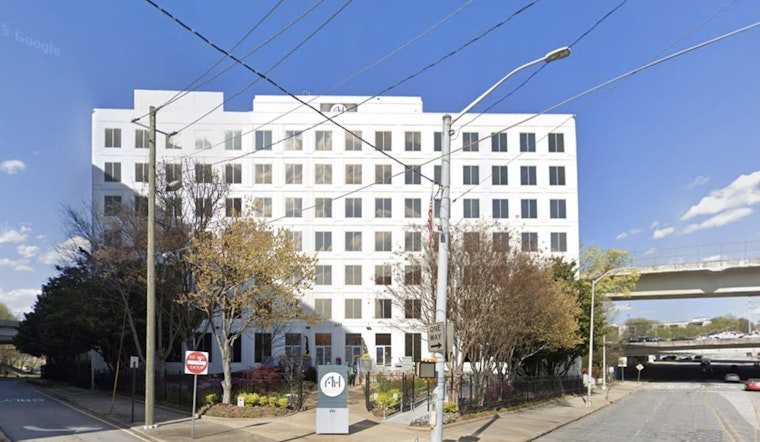
Mayor Andre Dickens and Atlanta Housing CEO Terri M. Lee took the mic Tuesday morning to roll out a fresh roadmap for creating and preserving 10,000 affordable housing units, a long-standing benchmark for the city. Officials cast the plan as a way to finally turn years of strategy sessions into actual front doors in neighborhoods where rents keep climbing and longtime residents are feeling the squeeze. The roadmap is the latest pillar in the mayor’s broader housing push, aimed at turning projects in the pipeline into occupied homes.
As reported by Atlanta News First, the news conference, which the station said it would stream live at 8:30 a.m., featured the mayor alongside Atlanta Housing leaders detailing recent gains and upcoming redevelopment efforts. Officials said they planned to highlight investments designed to help current residents stay put even as their neighborhoods transform around them.
Atlanta Housing’s current fiscal plan already leans hard into that goal. The agency’s FY2026 budget steers roughly $104.4 million toward creating about 1,383 new affordable units and preserving roughly 1,136 existing homes, and Atlanta Housing says those moves would put it close to 95% of its five-year, 10,000-unit target by the end of FY2027. The agency also reported it had reached about 72% of that mark as of May 31, 2025. Atlanta Housing provided the budget figures and progress update.
Mayor Dickens has staked out an even bigger citywide goal of 20,000 affordable units by 2030 and used his March State of the City speech to say Atlanta has opened or started more than 13,000 affordable units in recent years. In that speech he branded the effort the "Group Project" and warned that shrinking federal support means the city will have to lean on local tools to finish the job. His administration points to programs such as the Neighborhood Reinvestment Initiative and expanded use of tax-increment financing as core pieces of that strategy. The City of Atlanta published the mayor’s remarks.
Where The Numbers Fall Short
Partners along key corridors say you can see real progress on the ground, but the scale of the challenge is still sobering. Atlanta Beltline, Inc. recently reported it has delivered roughly 79% of its 5,600-unit affordability goal within the Beltline planning area. Regional analysts, meanwhile, estimate the metro area will need to preserve or add roughly 116,000 affordable units over the next decade just to keep pace with demand, a gap that helps explain why officials are treating the new roadmap as a big deal. Atlanta Beltline, Inc. and Axios Atlanta provided the program and regional estimates.
How The Roadmap Aims To Close Gaps
Atlanta Housing’s multi-year strategic plan calls for putting more than 300 acres of agency-controlled land to work, a move expected to generate roughly half of the 10,000-unit goal, with the remaining units coming from preservation efforts and partnerships. The roadmap presented Tuesday largely sticks to that formula, relying on a mix of land activation, co-investment financing, bond tools, tax-increment financing and redevelopment agreements meant to move projects from concept to closing more quickly. Those ingredients sit at the center of Atlanta Housing’s overall strategy and the city’s pitch to private developers. Atlanta Housing spelled out the land and partnership goals in its strategic plan.
Officials said the roadmap will spell out concrete financing needs and project timelines, and that actually pulling it off will require tight coordination among the mayor’s office, Atlanta Housing, Invest Atlanta, the Beltline and private builders. As Dickens put it in March, "We are at a moral crossroads," language his team has used to frame the housing work as both policy and moral obligation. The coming weeks will show whether this roadmap turns into a wave of new deal closings, construction starts and units that stay affordable for the people already calling these neighborhoods home. The City of Atlanta has posted the mayor’s full remarks for those tracking the details.




