

























































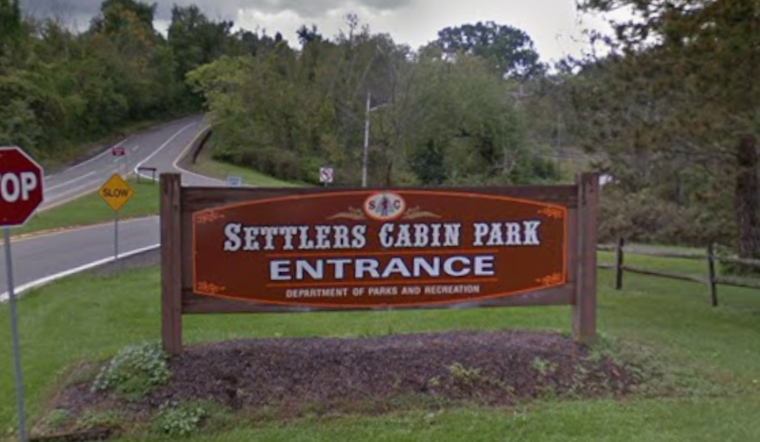
Drones buzzed over Settlers Cabin Park today as environmental groups swept the woods and trails for buried oil and gas infrastructure. Officials and advocates say the aerial search is focused on finding long-forgotten wellbores, roughly 100 by their estimates, that could be leaking methane and other contaminants into the soil and air. The flights are part of a broader push to map undocumented wells so they can be plugged and cleaned up.
Eyes in the sky over Settlers Cabin Park
In a video captured by CBS Pittsburgh, small unmanned aircraft sweep low over the park, turning heads among hikers and dog walkers. Reporter Ross Guidotti describes the work as a hunt that reaches “deep underground,” with crews collecting data that will be used to pinpoint likely well locations for on-the-ground follow-up.
Who is behind the survey and why
According to WPXI, the flights are being run by teams connected to the Environmental Defense Fund and other environmental groups active in Western Pennsylvania. EDF’s Adam Peltz told the station that as many as 100 abandoned wells may lie beneath Settlers Cabin Park, and that locating them could help Pennsylvania qualify for federal money dedicated to plugging those sites.
How the drones track down hidden wells
The crews are not just snapping overhead photos. Instead, the drones carry magnetic sensors that can pick up the steel casings of old wells and methane monitors that flag spots more likely to be leaking, according to a project announcement from Moms Clean Air Force. Project materials say the aircraft usually fly at about 100 feet above the ground and generate detailed maps that field teams can later “ground truth” on foot or with handheld instruments.
Why mapping matters right now
Advocates say this kind of mapping is critical because Pennsylvania is still riddled with legacy wells, while federal infrastructure money is waiting for projects that can document where those wells actually are. The Department of the Interior’s Orphaned Wells Program Office has created grant programs and data tools to target plugging work, and local organizers say undiscovered wells have to be found and recorded before any of that funding can flow. Estimates that put the number of undocumented and orphaned wells in Western Pennsylvania in the hundreds of thousands have been reported by WTAE and echoed in EDF project briefings.
What park users and landowners should know
Settlers Cabin Park covers more than 1,600 acres and features trails, a wave pool, and the Pittsburgh Botanic Garden, according to the county parks system. That means plenty of visitors may be strolling right over historic drilling sites without realizing it. Organizers say the drone runs themselves are noninvasive and focused solely on data collection. Any suspected well sites flagged from the air will be checked on the ground and added to public inventories that state agencies already use.
The Pennsylvania Department of Environmental Protection asks landowners who find what they believe are unplugged wells on their property to contact their DEP district oil and gas office, which maintains well inventories and handles emergency plugging when needed.
Organizers say the drone data will feed into field verification and, where appropriate, entries into state databases that can move sites toward permanent plugging. Peltz and other project leads have also noted that the overall price tag for tackling the region’s orphaned wells could eventually reach into the tens of billions of dollars. The current work at Settlers Cabin Park, they say, is about figuring out which spots need attention first.





