

























































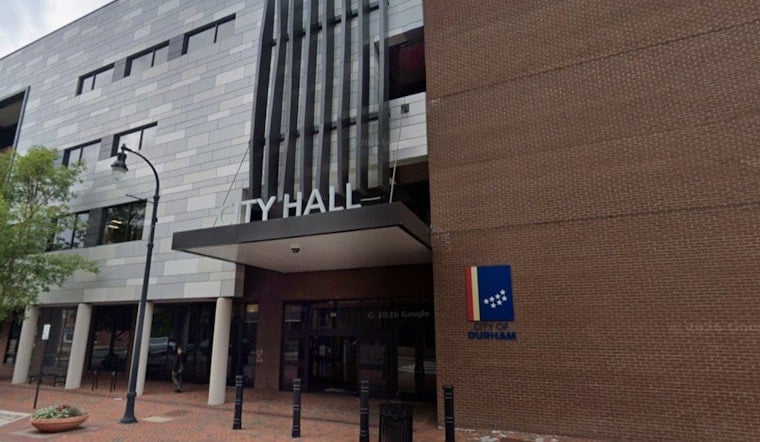
Durham’s HEART teams, the city’s unarmed mental-health crisis responders, are being credited with a dramatic shift in what shows up on the crime blotter. Since the program launched in 2022, city figures and local reporting tie roughly a 60% drop in crime reports and a 56% decline in arrests to one core change: shuttling low-risk calls away from police and into the hands of clinicians and peer specialists. City officials say that shift is quietly rewriting the script for how Durham answers 911 calls about mental-health crises, homelessness and day-to-day quality-of-life complaints.
According to ABC11, HEART teams have handled more than 42,000 calls, freed up over 8,000 hours of police time last year and helped cut response times by more than three minutes. The city data cited in that coverage also credits responders with handing out hygiene kits, Narcan, pet food and other basic supplies as they move through encampments and neighborhood hotspots. Even with those numbers, officials say demand is still outpacing what the teams can cover.
“We don’t operate overnight,” Durham Community Safety Director Ryan Smith told ABC11, pointing to staffing and budget limits that keep HEART from taking late-night calls. Peer support specialist David Prater told the same outlet that responders’ lived experience is their “superpower” when it comes to building fast trust and dialing down tense situations. City leaders say that on-the-ground credibility has helped change how officers think about who should show up when someone dials 911.
How HEART responds
The HEART model combines Crisis Call Diversion, unarmed Community Response Teams, clinician-officer Co-Response pairs and short-term Care Navigation, according to a city-commissioned evaluation by RTI International. The May 2023 pilot report documented more than 5,000 early service encounters and recommended growing the program after finding fewer arrests and more specialized care delivered directly on scene. The analysis also lays out the 911 screening rules that decide whether a call goes to clinicians, unarmed teams or a co-response unit.
Durham’s approach on the map
Durham’s approach has drawn national eyes. Reporting from Tradeoffs and its “Fifth Branch” series followed months of ride-alongs and interviews that cast HEART as a test case for new crisis-response playbooks across the country. Those reports highlight HEART’s safety record while underscoring a stubborn weak spot: making sure people connect with long-term services once the immediate emergency is under control. The mix of clinicians, EMTs and peer specialists has turned into a reference point for other cities weighing non-police responses to behavioral-health calls.
Staffing, hours and the budget fight
Since the 2022 pilot, officials have gradually expanded HEART and housed it inside the Community Safety Department. The city’s Community Safety page explains how Durham steers nonviolent behavioral-health calls to clinicians instead of patrol cars. Local reporting shows the department has been pushing for more funding, including a multiyear request to add dozens of positions so the program can eventually run overnight and pick up a larger share of eligible calls, according to IndyWeek. City leaders argue that stable funding is the only way to turn daytime progress into true 24-7 coverage.
For now, supporters point to the steep drop in crime reports and arrests as evidence that the model can cut harm while giving sworn officers more time to focus on violent crime. County records also describe ongoing work to review emergency communications and explore how HEART might scale across Durham County, through a feasibility study the county commissioned to examine 911 consolidation and HEART expansion, according to the docket at Durham County Legistar. That study is expected to help determine whether the gains Durham is seeing during daylight hours can be stretched into broader and more durable coverage.





