

























































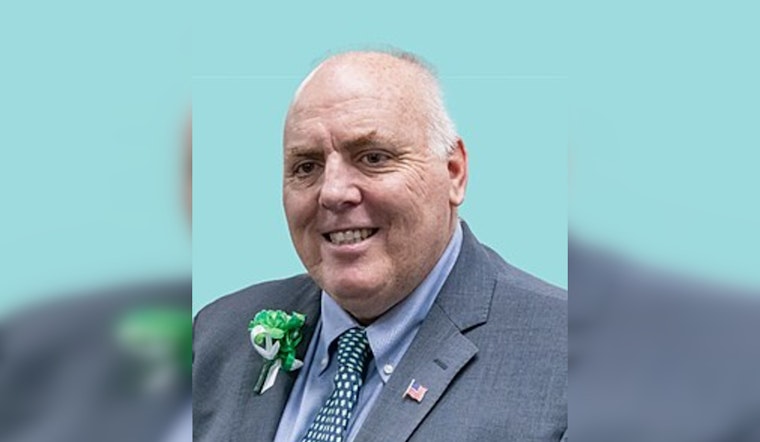
Boston City Councilor Ed Flynn is turning up the heat on hybrid work, filing a resolution that urges city employees to show up in person at least four days a week and to sharply scale back virtual and hybrid meetings. In Flynn’s view, the public sector should set the pace on getting bodies back behind desks so that downtown restaurants and small retailers have a fighting chance during the weekday grind.
The measure was first reported Flynn's push as a nonbinding move that prioritizes on-site operations and limits virtual meetings. According to that report, Flynn argues Boston cannot simply accept a permanent drop in downtown activity and wants city departments to model a more robust return to the office.
The numbers behind the push
Flynn is leaning on numbers that would make any budget analyst gulp. He cited an updated analysis by the Boston Policy Institute, with modeling by Tufts’ Center for State Policy Analysis, that warns office assessments could tumble 35 to 45 percent from 2024 levels. In its central scenario, the study projects roughly a 1.7 billion dollar revenue shortfall over five years, with a wider "spillover" case pushing near 2.1 billion dollars.
City officials have been tracking the same storm clouds: rising vacancy, deeply discounted downtown building sales and a commercial core that looks a lot thinner on a Tuesday than it did before 2020. The Council has already taken up related measures to study downtown vacancy and revenue trends, so Flynn’s resolution arrives in the middle of an ongoing conversation about what happens if those numbers keep sliding.
Residents and small businesses weigh in
Out on Boston’s streets, reaction is mixed and a little wary. Some neighbors told the station they understand the push to revive weekday business, especially for downtown spots that live or die on lunch crowds. At the same time, they warn that a hard four-day rule would hit workers with long commutes or caregiving duties squarely in the jaw.
Business coverage has echoed that tension, with downtown eateries and retailers saying weekday foot traffic has not bounced back to pre-pandemic levels. City leaders, staring at both half-empty towers and struggling storefronts, keep pointing to that reality when they weigh how aggressively to turn the dial on return-to-office policies.
What comes next
For now, Flynn’s resolution is symbolic, not binding. If the Council decides to move it forward, it would still have to go through the usual committee process and public hearings before any formal vote. The body has already endorsed efforts to study the downtown slump, including a Blue Ribbon Commission that was covered in earlier reporting on the downtown office vacancy crisis.
The new proposal is likely to trigger fresh hearings where labor groups, municipal managers and business advocates line up with sharply different prescriptions. Some will argue that getting more workers back into offices is the only realistic way to stabilize commercial values and keep small businesses alive; others will warn that squeezing out hybrid schedules would punish employees who have built their lives around flexibility.
As reporting from the Boston Globe and local research makes clear, the stakes for the city’s finances are not small. Whatever the Council ultimately does, downtown businesses, labor groups and municipal budget hawks will be watching closely to see whether Boston plants its flag firmly in the office, keeps leaning into hybrid, or tries to split the difference one more time.





