

























































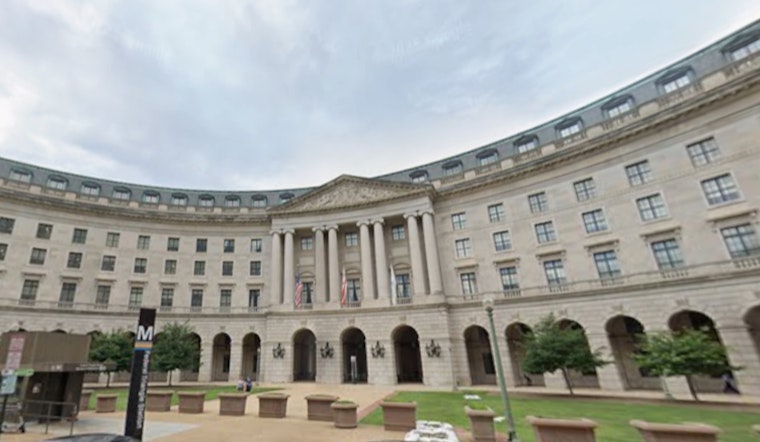
The Environmental Protection Agency is stepping back from a piece of the Biden era crackdown on “forever chemicals” in drinking water, proposing to roll back limits on four less common PFAS compounds while keeping tough standards for the two most widely studied. The agency also said some water systems could apply for up to a two year delay in meeting the new PFOA and PFOS limits, which would push certain compliance deadlines out to 2031. Supporters of the move call it a legal and technical fix, while critics warn it risks undercutting protections in communities already living with PFAS contamination.
What the EPA proposed
In a news release the EPA said it plans to rescind its earlier decision to regulate four PFAS in drinking water: perfluorohexane sulfonic acid (PFHxS), perfluorononanoic acid (PFNA), HFPO-DA (better known as GenX) and perfluorobutane sulfonic acid (PFBS). The agency also said it would revisit the hazard-index method it used to set limits on mixtures of those chemicals.
According to the proposal, two new rules will be published in the Federal Register and opened for a 60-day public comment period, with a public hearing scheduled for July 7, 2026. EPA officials said eligible systems could seek an “opt-in” extension that would give them until 2031 to comply with PFOA and PFOS limits. At the same time, the agency announced nearly $1 billion in grants for states and said it intends to pursue technology-based limits on PFAS discharges.
Why advocates are alarmed
Environmental and public health advocates are treating the plan as a rollback that could leave millions of people exposed to PFAS for longer. The Natural Resources Defense Council called the proposal a “cave-in to special interests” and argued that allowing utilities to opt into later compliance appears to violate the Safe Drinking Water Act’s anti-backsliding provisions, the NRDC said in a statement. Coverage has noted similar criticism from other advocates, who say the agency is leaning toward industry and utilities at the expense of communities that already have contaminated taps, according to The Washington Post.
Utilities say the rule was rushed
Water utilities and trade groups counter that the 2024 drinking water rule moved too quickly, carried steep costs and was legally vulnerable, and several have taken that argument to court. Associations representing utilities asked EPA for relief and filed lawsuits challenging parts of the new standards, a pattern first highlighted by the Associated Press. EPA officials say the proposed opt-in extension and other technical tweaks are intended to make the rule achievable for small and rural systems while still protecting public health.
Legal stakes remain high
Legal analysts expect the administration’s shift to trigger another round of courtroom fights. The PFAS rule is already before the U.S. Court of Appeals for the D.C. Circuit, and the administration’s new reasoning tracks arguments raised in that existing litigation, according to Bloomberg Law. Any final outcome is likely months away and could turn on how judges interpret the Safe Drinking Water Act’s procedural rules.
What it means for Tampa and other cities
For cities that already started gearing up for a 2029 compliance deadline, the EPA’s proposal could scramble budgets, construction timelines and treatment plans. The City of Tampa has outlined the six PFAS compounds covered by the federal rule and is moving ahead with pilot testing plus a large Suspended Ion Exchange project at the Tippin water facility to cut PFAS levels in finished water, according to the City of Tampa. Local reporting has detailed the Tippin treatment upgrades and how officials plan to pay for them, including the Tippin project.
Smaller systems may welcome the chance to buy more time, but health advocates warn that slowing the clock on enforcement means residents in places already testing above federal thresholds could be drinking contaminated water for years longer.
Next steps
Both proposals are headed to the Federal Register, where they will be open for a 60-day public comment window. EPA also plans a public hearing on July 7, 2026, to gather technical feedback. The agency’s proposed rescission rule lists the docket number and instructions for submitting comments.
After that, the agency will review public input, refine the rule and almost certainly defend it in court. However the legal fight unfolds, this proposal marks the start of a contentious chapter in deciding how, and how quickly, communities across the country will have to tackle PFAS in their drinking water.





