

























































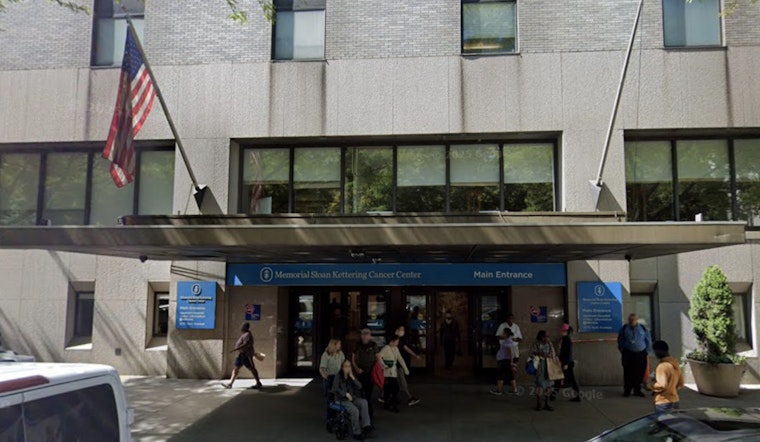
Memorial Sloan Kettering finished fiscal 2025 in the red on its core operations, chalking up a $47.9 million operating loss as the Upper East Side cancer center absorbed one-time costs from a massive electronic records switch and unrelenting pressure on drug and supply prices. Those operating struggles were partly cushioned by stronger non-operating results that kept the institution’s overall bottom line positive.
In a press release, Memorial Sloan Kettering said it recorded a “deficiency of operating revenues over expenses” of ($47.9) million and an operating cash flow margin of 3.7% for 2025. The center pinned the shortfall on planned one-time investments tied to its Feb. 1 Epic electronic health record go-live, along with higher personnel, pharmaceutical and supply costs. MSK also reported that patient activity dipped in February and March after the launch, then stabilized in subsequent quarters.
Financial disclosures showed total operating revenue of about $8.5 billion for the 12 months ended Dec. 31, while operating expenses climbed roughly 8% to about $8.6 billion, according to reporting by Becker's Hospital Review. The outlet noted MSK said roughly $177 million of that expense growth was tied to Epic go-live support and training and reported that the system earlier posted a first-half 2025 operating deficit of $113.2 million during the rollout. Becker's Hospital Review also reported that MSK’s overall net income remained strong, with investment and other non-operating gains helping blunt the operating hit.
Rollout pain, then recovery
MSK acknowledged a temporary drop in outpatient activity after the Epic switchover but said volumes rebounded later in the year as the new system settled in. At the same time, leaders began tightening the belt.
The cancer center pursued program redesigns and rolled out a plan to trim less than 2% of staff last fall, a move reported by Healthcare Dive. Executives described the staffing changes as one piece of a broader push to tackle structural deficits fueled by rising drug, supply and labor costs.
What MSK says it will do next
"MSK remains focused on advancing a long-term financial strategy centered on expanding patient access, strengthening operational discipline, and supporting the Institution’s mission-driven growth," the center said in its Memorial Sloan Kettering fiscal-year release. Leaders say the Epic investment is part of a longer plan to modernize operations and improve revenue-cycle performance over time. That mix of investment and cost-cutting will be the key set of watch points for the rest of 2026.
For New Yorkers, the takeaway is nuanced. MSK remains a heavyweight research and treatment anchor with substantial resources, yet thinner operating margins could mean more program tweaks or efficiency drives ahead. Crain's New York Business first highlighted the latest public accounting of the shortfall on May 6, and local patients, staff and donors are likely to be watching future disclosures closely as the hospital tries to balance big-ticket modernization with day-to-day cancer care.




