

























































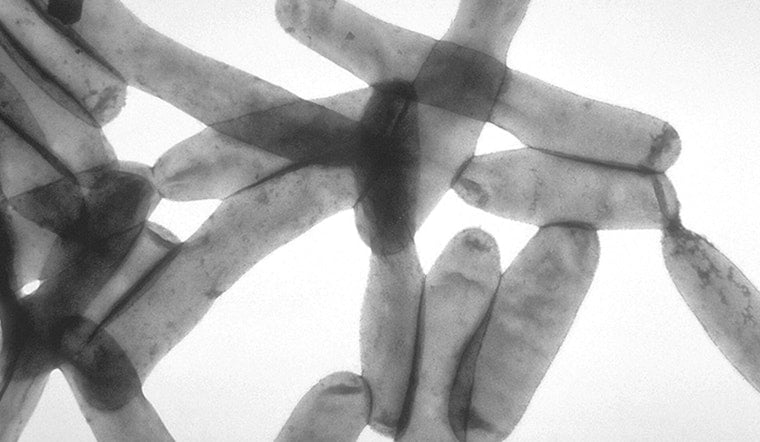
Residents of the Ardsley, a storied high-rise co-op at 320 Central Park West, were told Friday that tests of the building’s domestic hot water system turned up Legionella bacteria. Management has brought in a water-management consultant and scheduled a building-wide disinfection and flush for Thursday, when residents will be asked to steer clear of the hot water taps while crews go to work. City health officials say they are not currently investigating the property, and no illnesses have been reported among tenants.
Inside the Building Memo
According to a memo shared with West Side Rag, tests on samples from the Ardsley’s domestic hot water system came back positive for Legionella. The memo explains that the co-op has hired Metrogroup to evaluate the system. Metrogroup, the memo says, advised a full disinfection and flushing of the hot water lines and urged residents to cooperate so the work can be completed in one sweep.
Health Officials Play It Cool
Spectrum News NY1 reported that the New York City Department of Health and Mental Hygiene is not investigating the Ardsley and does not view the finding as connected to the Upper East Side Legionnaires’ disease cluster. In a July 10 update, the NYC Health Department said investigators had found dozens of cooling towers on the Upper East Side with positive PCR screening results, ordering immediate cleaning and disinfection while culture tests determine whether live bacteria are present. Officials stressed that PCR results alone do not prove that those towers are the source of the outbreak.
What Residents Are Being Told
The Health Department notes that a positive PCR screen picks up bacterial DNA, which does not automatically mean live Legionella are in the water. “It remains safe to shower, drink tap water and use air conditioners in the affected ZIP codes,” the NYC Health Department wrote in its guidance. People at higher risk, including adults over 50, current or former smokers, and those with chronic lung disease or weakened immune systems, are urged to watch for fever, cough, or shortness of breath and to tell their clinician about possible exposure if symptoms show up.
Why Other Buildings Are Checking Their Pipes
Property owners and managers across Manhattan say the spotlight on the Upper East Side cluster has pushed some large buildings to request precautionary testing and independent sampling of their own systems. Hoodline previously covered the city’s probe in a July 3 dispatch on the Legionnaires scare near Lenox Hill, which laid out the early cases and official advice for residents.
What Happens Next At The Ardsley
Co-op management says crews are slated to carry out the disinfection and flushing work on Thursday and will alert residents once regular hot water service is restored, according to the memo shared with West Side Rag. Meanwhile, the city’s investigation into the Upper East Side cluster continues. Officials advise anyone who lives, works, or has recently spent time in that area and develops flu-like symptoms to contact a health care provider quickly.




