

























































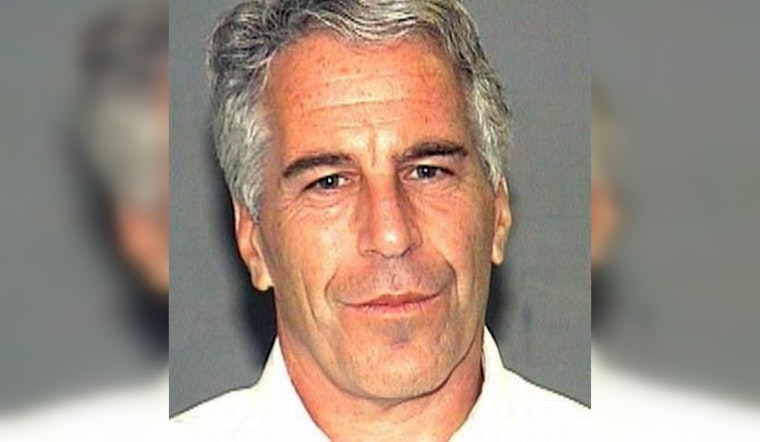
Newly released Department of Justice records and fresh reporting are pulling back the curtain on how Jeffrey Epstein tried to work his way into big-money deals across Latin America, reaching into Venezuela’s oil trade and state-backed science in Cuba. The documents lay out investment pitches, flight logs and email threads that broaden the public picture of how Epstein tried to convert influence into hard cash. Reporters say the files trace links that stretch from port talks and oil brokers to academic gatherings in Havana.
How The Files Hit The Public
On Jan. 30 the Department of Justice published roughly 3.5 million responsive pages under the Epstein Files Transparency Act, a trove the agency says includes emails, flight manifests and other investigative material. Newsrooms have been combing through the release to reconstruct Epstein’s international network and business overtures. The sheer volume of documents has forced reporters and investigators to wade through a flood of digital evidence in search of leads that can be backed up in court and tested by prosecutors.
Epstein’s Venezuelan And Cuban Ties
Reporting in the Miami Herald shows Epstein exchanged business correspondence with Venezuelan intermediary Francisco D’Agostino, talked through solar and oil ventures, and helped pay for a state-backed neuroscience congress in Havana in 2017. The Herald’s review of the DOJ files highlights emails in which Epstein and his circle referred to women in bluntly transactional terms, at one point writing that a young woman was "here and naked," alongside investment decks pitching multi-megawatt solar projects and port negotiations.
Sanctions, Partners And Prior Scrutiny
The U.S. Treasury designated D’Agostino in January 2021 as part of an alleged sanctions-evasion network accused of helping PDVSA resell crude, according to the department’s action. The Federal Register later published a notice reflecting that several of those names were removed from the Specially Designated Nationals list on Jan. 13, 2025. Independent investigations and international reporting have also spotlighted Venezuelan firms tied to state contracts, including Derwick Associates, for questions about pricing, banking relationships and possible irregularities.
Planes And A U.S. Case
DOJ documents show Epstein shopped for private jets, including one tied to South Aviation, Inc., a Fort Lauderdale-linked company associated with Argentine businessman Federico Machado. Court filings and civil dockets in the Southern District of Florida lay out related private lawsuits and reference criminal proceedings tied to those dealings. An indictment unsealed in 2021 alleged roughly $350 million in criminal activity linked to Machado’s network, and court records state he was arrested in Argentina. Reporting by the Herald says Machado was extradited late last year and is now in U.S. custody awaiting trial.
Legal Implications
The newly public communications and corporate records complicate several overlapping legal tracks. Even traders and intermediaries who have been delisted can still face criminal prosecution and civil claims, and prosecutors are likely to scrutinize whether transactional records in the DOJ tranche back up money-flow allegations in existing indictments. The Justice Department’s online Epstein disclosures, combined with coverage by national outlets, show that investigators and lawmakers are still working through the material for leads that could drive new charges or regulatory moves.
What To Watch Next
For now, federal court dockets, Treasury notices and continued reporting are the clearest indicators of where this all heads next. Watch for any new filings in the Machado case, additional OFAC or Treasury action, and deeper journalistic dives into the DOJ documents. In Miami and other crossroads between U.S. courts and Latin American commerce, the files reopen familiar questions about who cashed in on state contracts and how business and political influence were routed.





.jpg)