

























































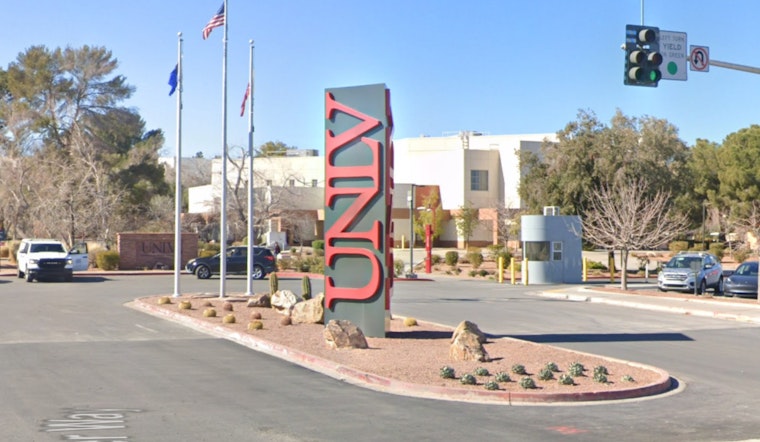
When Kelli Kelly crossed the stage at UNLV’s Thomas & Mack Center on Friday to collect her master’s degree in urban leadership, the diploma was only half the story. In the months leading up to commencement, she helped push through a statewide overhaul of Nevada’s cottage food rules, all while running the Fallon Food Hub and advising small businesses. That hub work helped secure about $1.25 million to keep local farms alive and moved roughly 105,000 pounds of food to about 3,500 households, including tribal communities.
A.B. 352: A statewide rewrite of cottage food rules
The bill Kelly helped shape, A.B. 352, cleared the 2025 Legislature and was signed into law by the governor on June 9, 2025. It became Chapter 420 of the session laws, as recorded by LegiScan. The statute sets a July 1, 2027, go-live date for most of the changes, giving regulators a long runway to build a licensing and enforcement system before the law fully kicks in, according to the Nevada Legislature.
What the law changes for home cooks and makers
The overhaul raises the gross sales cap for cottage food operators from $35,000 to $100,000, allows phone and online ordering, permits mail and third-party delivery, and creates a licensing path for small cosmetic makers who want to work out of their homes. The changes are aimed at helping small, often rural, producers reach customers beyond the farmers market circuit. Industry guides and state summaries walking through the new rules describe how the measure lines Nevada up with systems already in place in many other states. PermitDeck lays out what these shifts mean on the ground for sellers looking to expand.
From Fallon Food Hub to Carson City
Kelly juggled this policy push while leading the Fallon Food Hub and advising small businesses across the state, and UNLV singled her out as one of six outstanding graduates this spring. The university notes she maintained a near-perfect GPA while helping secure roughly $1.25 million to head off farm closures and scale distribution to some 3,500 households. UNLV also credits her with helping craft the language that became A.B. 352 and with taking on broader food systems policy work in the region. UNLV has the full profile and program details.
Lawmakers: change needed to boost small businesses
Supporters framed the update as a straightforward lift for low-barrier entrepreneurs and caregivers trying to turn home recipes into real revenue. "It is time for us to update it to encourage the economic growth of Nevada's small and home-based businesses," Assemblymember Natha Anderson told a legislative committee on March 17, 2025, according to the official hearing record from the Nevada Assembly. That record tracks lawmakers’ discussion of the measure and its technical fine print.
Why the changes matter in Nevada
Nevada’s geography and limited commercial agriculture mean the state leans heavily on food shipped in from elsewhere. Reporting in the Las Vegas Sun noted that between about 95 and 99 percent of what Nevadans eat is imported. Advocates say letting home-based producers sell online, ship products and work under a higher sales cap gives them a better shot at building year-round operations that keep more food and income circulating in rural communities instead of heading straight out of state.
Next: rules, outreach and the long game
The law phases in its biggest changes to give the Nevada Department of Agriculture time to write regulations, set up a licensing registry and roll out outreach and training for new cottage operations. Agency board materials show the department has already finished an initial draft of proposed rules. During the implementation window, advocates and local partners are also using the extra time to gather feedback and refine how counties, tribes and industry stakeholders will plug into the new system. The Nevada Department of Agriculture outlines the regulatory timeline.
Commencement and community impact
UNLV awarded more than 3,700 degrees during its Spring 2026 ceremonies, with graduates ranging in age from 18 to 77 and representing 62 countries. Administrators pointed to students whose campus work spilled directly into civic life. For Kelly, the walk across the stage marked one stop in a longer arc that runs through campus recognition, nonprofit leadership in rural Fallon and a concrete role in reshaping how Nevadans can earn and sell homemade goods across the state. UNLV has the broader look at the class.



