

























































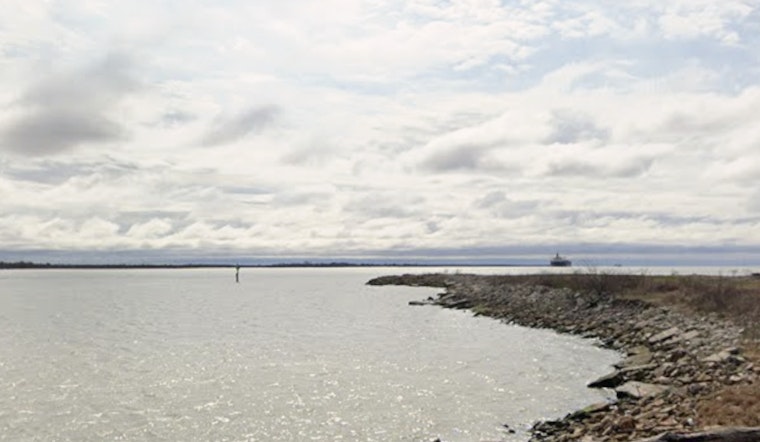
After years of anxiety for nearby neighborhoods, federal regulators have ordered work to finally begin at the long stalled San Jacinto River waste pits, the toxic Superfund site along the river near Baytown that has loomed over residents for decades. The Environmental Protection Agency's move zeroes in on the northern impoundments, portions of the site that sit partly underwater under only a temporary cap, and backs the directive with the threat of stiff daily fines if deadlines slip. Community groups greeted the order as overdue progress and are already pushing the agency and the responsible companies to move fast and keep the public in the loop.
What the order requires
As reported by ABC13, the April order directs International Paper Company and McGinnes Industrial Maintenance Corporation to start remediation of the northern waste cells and to remove more than 230,000 cubic yards of contaminated material. The document warns that the companies could face civil penalties of up to $71,545 per violation per day if they miss required milestones. In a joint statement to ABC13, the firms said they "are currently reviewing the details of the document in their entirety" and "will continue to cooperate with the EPA's process."
Health concerns and local pressure
A state health assessment released last year found elevated rates of several cancers in a broad stretch of East Harris County near the river, a finding local advocates have leaned on while demanding a faster cleanup, according to The Texas Tribune. Advocates say repeated flooding and erosion have at times washed dioxin contaminated material from the pits into the watershed, fueling community fears about long term exposure. That health backdrop helped pull state and federal attention back to the site in recent months.
Community reaction
Local watchdogs framed the EPA order as a breakthrough, with a clear caveat that enforcement will matter as much as the paperwork. Jackie Medcalf, founder of the Texas Health and Environmental Alliance, called the action "a huge milestone and a huge moment for our community" but told Houston Press that advocates will keep a close eye on how the work unfolds. Residents and officials noted that the southern impoundment has already seen years of activity, and that attention now shifts to finally clearing the remaining material in the northern cells.
EPA technical findings and cost estimate
Per the EPA's Explanation of Significant Differences, the agency now pegs the estimated cost of cleaning the northern impoundments at roughly $210.8 million to $262.3 million and reiterates that the primary contaminants at the site are polychlorinated dibenzo-p-dioxins and dibenzofurans. The document also notes that EPA approved the remedial design for the northern impoundments with conditions in September 2025. EPA site updates show excavation work for the southern impoundment began in late 2022 and that major excavation activities there were largely wrapped up by late 2023.
What comes next
The order lays out enforceable obligations and potential daily penalties, but local reporting says it does not spell out a firm start date for digging at the northern pits, and EPA was preparing additional statements, according to ABC13. If the remedial design moves ahead as approved, the work will likely involve staged cofferdams, confirmation sampling, excavation and off site disposal, steps that federal records say will stretch across multiple construction seasons. Community groups say they plan to watch contractor performance and any sampling data closely as equipment and crews mobilize.
How to follow the cleanup
The EPA has posted the Explanation of Significant Differences and related documents on the San Jacinto River Waste Pits Superfund site page, where public records and project updates will appear as the cleanup proceeds. Interested readers can review the agency's materials and the site's administrative record on the EPA page for the San Jacinto River Waste Pits.





