

























































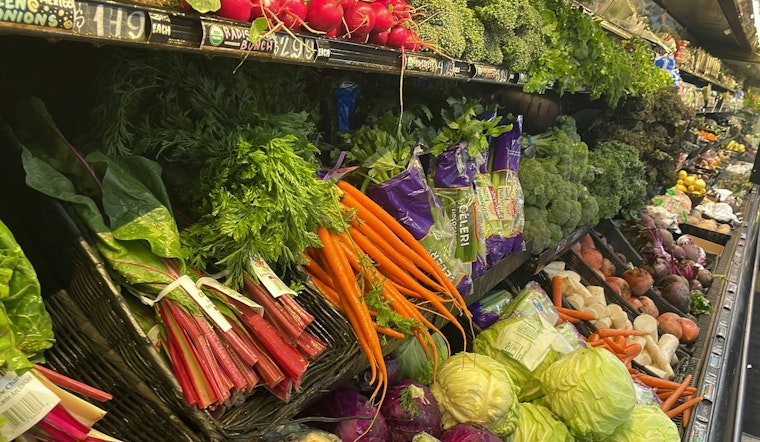
The U.S. Department of Agriculture has signed off on a sweeping new rule that will force most stores taking SNAP benefits to stock a lot more fresh and perishable food. Published May 7, 2026, the rule boosts the minimum staple items from 12 total varieties to 28 and increases how many of those must be perishable. USDA officials say the goal is to put more "real food" at the center of the program while tightening the screws on retailers that have been skating by with bare-minimum options.
The change was first detailed locally by KSDK, which reports that retailers will now have to carry seven varieties across each of the four staple food categories: protein, grains, dairy, and fruits and vegetables. USDA expects the overhaul to kick in sometime this fall and plans to roll out additional guidance in the coming weeks so stores and state agencies can figure out how to comply.
What the rule requires
According to the Food and Nutrition Service, the new standards finally lock in the variety framework that Congress laid out in the 2014 Farm Bill. Stores will need seven distinct varieties in every staple category, and at least one of those varieties must be perishable in three of the four categories. The existing three-unit minimum per variety is sticking around.
The agency is also tightening up what counts as an "accessory" food, such as snacks or desserts, so those products can no longer pad out the required staple minimums. The goal is to make enforcement more consistent from state to state and to curb the practice of meeting the test with low-nutrient, shelf-stable snack foods, according to the Food and Nutrition Service.
Why retailers and public-health groups are watching
Trade groups and small retailers are already sounding the alarm that the rule could hit corner stores and other small-format shops hardest, especially those without much refrigeration, steady produce distributors, or the buying clout of big-box grocers. FoodNavigator-USA has highlighted industry requests for clearer definitions and a longer runway before the rules truly bite.
On the other side, public-health advocates say the higher bar is overdue and still only a first step. The Center for Science in the Public Interest is pushing USDA to go further by adding nutrition-quality standards and offering serious technical assistance so that small stores do not simply walk away from SNAP altogether, according to CSPI.
Timeline and next steps
USDA says the final rule will formally take effect in Fall 2026, with implementation guidance for retailers and state partners expected in the coming weeks. The department has already been cracking down on stores that did not meet the previous stocking rules, an enforcement push that has involved thousands of retailers since 2025 and signals that inspectors are unlikely to be lenient under the new standards, according to a USDA press release via RFD.
How shoppers and small stores can prepare
If stores stay in the program, SNAP shoppers should gradually start seeing more produce out front, more refrigerated dairy, and a broader mix of proteins and grains on the shelves. USDA program documents point to nutrition incentive and retailer-support efforts such as the Gus Schumacher Nutrition Incentive Program and local "Double Up" style initiatives as tools to help shops afford and actually sell the extra fresh food, according to USDA program notes. Advocates caution that funding levels and real-world technical assistance will likely determine whether communities end up with better choice or fewer participating neighborhood stores.
For now, the rule stands as a big swing in federal food policy. It has the potential to expand access to healthier groceries in some areas while creating compliance headaches in others. How states, trade associations, and small retailers react over the next six months will help reveal whether the promise of more "real food" for SNAP families actually shows up in their shopping carts.





