

























































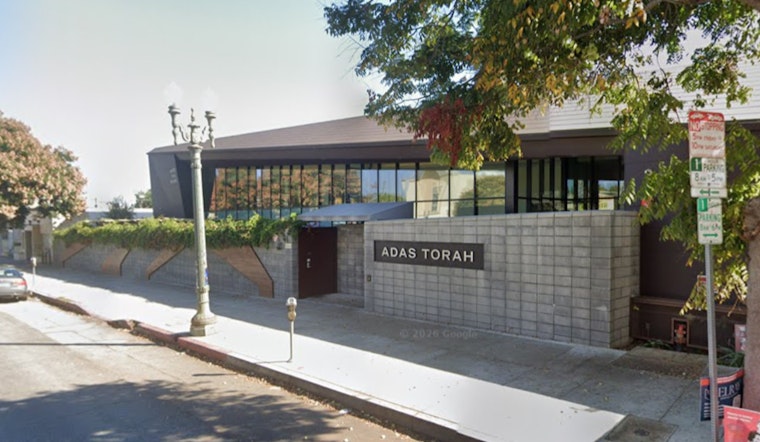
Federal authorities have gone public with an indictment in the high-profile 2024 sidewalk assault outside Adas Torah synagogue in Los Angeles' Pico-Robertson neighborhood, turning a long-simmering case into an official federal prosecution.
The attack happened on June 23, 2024, during a real estate event at the synagogue that drew protesters. In the middle of the chaos, authorities say, a man walking his dog was struck from behind. Prosecutors now say they have tied that punch to a specific suspect, and court filings include social-media posts that appear to cheer the assault.
According to an indictment unsealed this week, NBC Los Angeles reports that federal prosecutors have identified the alleged attacker as Zaid Gitesatani. Court documents cited by the outlet include a screenshot from the scene with a caption prosecutors attribute to Gitesatani: "I swung good on them... It was satisfying." The move from sealed case to public indictment marks a clear escalation in a dispute that has already generated civil lawsuits and months of federal attention.
How the protest turned violent
The June 23 gathering centered on a "My Home in Israel" real-estate and aliyah promotion at Adas Torah that drew both attendees and pro-Palestinian demonstrators, according to the Los Angeles Times. Video and contemporaneous reporting showed scuffles and sizable crowds packed outside the synagogue. National political figures quickly weighed in on the unrest, condemning what unfolded outside the house of worship, the Jewish Telegraphic Agency reported.
Neighbors and congregants later described the street scene as disruptive and unnerving, saying the melee interrupted worship and left a lingering sense of unease on the block.
Federal response
Even before the indictment surfaced, the Justice Department had stepped into the fray on the civil side. In March 2025, federal lawyers filed a statement of interest focused on protecting access to places of worship and pointing to the Freedom of Access to Clinic Entrances Act, according to the Department of Justice. That filing signaled that Washington was prepared to lean on civil-rights and access statutes as it assessed what happened outside Adas Torah.
At the time, officials from the U.S. Attorney's Office and the Civil Rights Division said they were in the evidence-gathering phase, reviewing material tied to the June protest and its aftermath.
Civil suits and local fallout
While federal investigators did their work, the courthouse saw separate legal action from private plaintiffs. They filed civil suits accusing various groups and organizers of orchestrating the demonstration and blocking congregants from entering the synagogue, according to filings reported by the Los Angeles Times.
City Hall also got pulled into the conversation. The incident pushed Los Angeles leaders to debate beefed-up patrols and expanded security grants for religious institutions. One proposal, covered as the council weighed doubling security funds to $2 million, highlighted how the clash outside a single synagogue had turned into a citywide policy question about how to balance free expression with safety.
The debate has laid bare ongoing tensions in Pico-Robertson and beyond over how to protect both speech and vulnerable communities when protests land on residential streets.
What happens now
The unsealed indictment confirms the case has entered a new phase, but it leaves some key details opaque for now. The filing, as summarized by NBC Los Angeles, does not clarify whether the defendant has been taken into custody, nor does it spell out the exact criminal counts that will be at issue.
Those specifics are expected to become public through the federal court dockets in the Central District of California once the paperwork lands online. In the meantime, local community leaders say the indictment at least signals a measure of movement toward accountability, even as they continue to press for long-term security measures and more sustained dialogue in Pico-Robertson.





