

























































Relatives of a Flushing man killed in a January crash say they are furious that the driver has been hit with only a misdemeanor. The collision on Jan. 20 killed 48-year-old Xi Zheng, family members say, and they argue the case deserves tougher charges than the failure-to-yield count now on the books. Police arrested 23-year-old Quinn Daly on May 7 and charged him with failing to yield, a misdemeanor that the family says is nowhere near enough given that Zheng died.
How the crash unfolded
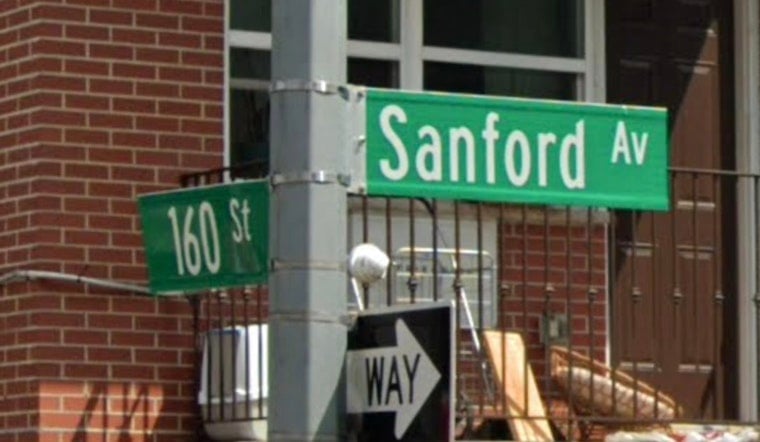
The crash happened around 10 a.m. on Jan. 20 at Sanford Avenue and 160th Street in Flushing, when a Ford F-150 turned right and struck a cyclist, according to reporting and police accounts. Paramedics took the injured man to NewYork-Presbyterian/Queens, where he later died. As detailed by Streetsblog, the rider was in a marked bike lane and had the right of way when the truck turned into him.
Family reaction
Relatives describe Zheng as an avid cyclist and devoted father, and they say the criminal count feels like a slap on the wrist. “He always biked to work,” Jacky Huang told reporters, and nephew Hui Huang said, “I don’t think that’s fair,” as reported by the New York Daily News. The family says they want answers about why the case did not result in more serious charges.
What the charge means
Police arrested Daly on May 7 and charged him with failure to yield to a pedestrian or cyclist, an offense that can be prosecuted as an unclassified misdemeanor under New York City’s Right of Way law when contact causes injury. That local statute carries a maximum penalty of 30 days in jail and a $250 fine for the misdemeanor version of the offense, according to court interpretations of Administrative Code §19-190. For legal background on the ordinance and how courts have applied it, see a recent New York City criminal court opinion in NYCourts.gov.
Enforcement and context
Advocates say the Right of Way law was meant to give prosecutors a tool to hold drivers accountable in serious crashes, but prosecutions remain relatively uncommon compared with the number of injuries and deaths on city streets. Street-safety organizations and reporting note a gap between the law’s intent and its real-world application, a central tenet of Vision Zero initiatives. The Vision Zero Network documents how local reforms have tried to curb traffic violence and how enforcement has varied.
Zheng’s family says they will keep pressing for accountability as the legal process unfolds. The case has renewed local calls for stricter enforcement when drivers’ actions leave cyclists dead or severely injured.





