

























































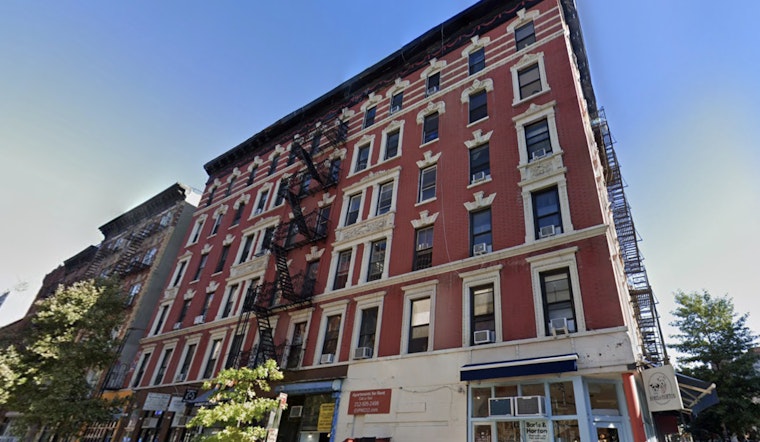
Four East Village rental buildings are sliding toward foreclosure, a move that could shake up ownership and leave tenants riding out months of legal limbo. The filings were first reported on Tuesday, May 5, 2026, and name at least one East 12th Street property among the four buildings involved.
According to Crain's New York Business, the lawsuits were filed in Manhattan Supreme Court, where lenders are asking judges to greenlight foreclosure after mortgage payments allegedly went unpaid. Crain's identified 441 E. 12th St. in the complaints and reported that lenders are seeking enforcement tools such as auctions or receivership if the debts are not cured.
Industry trackers say the cases line up with a broader springtime wave of lender crackdowns across Manhattan, as debt buyers move on older multifamily loans. The Real Deal has covered similar suits in which investors that scooped up distressed loans wasted little time before pushing to foreclose, a pattern that has added to unease among tenants and housing advocates.
What the filings say
The complaints cite property level loan defaults and ask the court to authorize remedies that could hand control of the buildings to a lender or court appointed receiver. One of the properties listed, 441 E. 12th St., appears in public listings as a six story prewar rental, per Corcoran, and matches the kind of small multifamily assets that have been frequent foreclosure targets this year. For the full set of addresses and specific allegations, see Crain's New York Business and the court dockets.
Tenants' rights and risks
Foreclosure on a landlord's mortgage does not automatically mean eviction for tenants, and state guidance makes clear that rent regulated protections stay with the apartment even if a new owner takes over. The New York State Homes and Community Renewal office posts fact sheets that walk through the foreclosure process and spell out the notices owners and lenders must serve. Advocates, however, warn that even with those safeguards, the drawn out legal process can still leave residents uncertain about basic issues like repairs and who is actually running the building.
What comes next
For now, court calendars will drive the pace. Owners can ask for time to cure the debt, lenders can push to move the cases toward a sale, and judges can consider motions to appoint a receiver if upkeep becomes a concern. Coverage of similar Manhattan foreclosures shows that lenders often prefer negotiated refinancing or quiet sales over splashy auctions, but when deals fall apart the litigation can drag on, leaving tenants and neighbors waiting for clearer signals from both owners and the bench. For recent foreclosure activity and neighborhood context, see reporting on foreclosure sharks circling Croman properties.
Legal implications
These foreclosure suits land in Manhattan Supreme Court as commercial actions that seek judicial permission to enforce the mortgage. Plaintiffs have to show that a default occurred and establish how much is owed. As The Real Deal has reported in other high profile multifamily battles, the outcomes can reshuffle ownership of rent stabilized portfolios and spark follow up litigation over rent histories and repair obligations.
Observers will be watching the dockets and local reporting for more detail on which lenders and loan servicers are driving these suits and how judges handle early motions. Tenants who receive court papers are urged to contact legal services and consult HCR resources so they understand their rights and possible next steps.


