

























































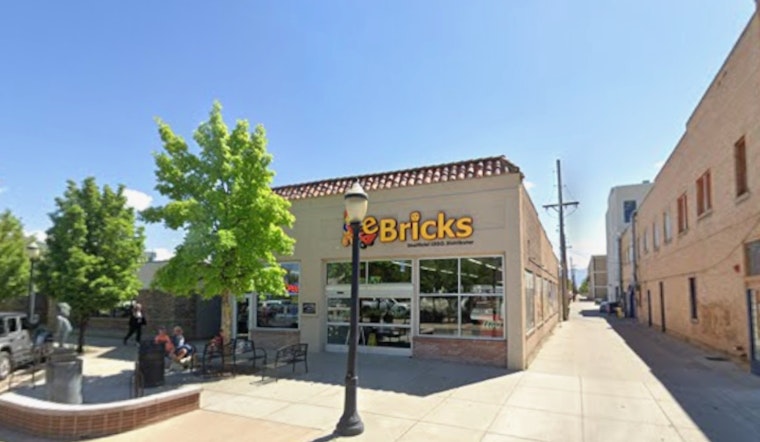
Forty-four years after "Black Sunday" threw Western Colorado's oil‑shale boom into reverse, the Business Incubator Center in Grand Junction has quietly turned a chunk of federal real estate into a startup hub. On the Legacy Way campus, a cluster of warehouses and workshops now houses makers, caterers, and manufacturers who say the group’s coaching, tools, and low-cost shared space often marks the line between staying open and shutting the doors for good.
According to The Colorado Sun, the nonprofit, formally known as the Western Colorado Business Development Corporation, reports that it has helped launch 2,284 companies, with 86% of those firms still operating after five years. The Sun also notes that alumni businesses have generated more than $357 million in direct revenues, created or retained roughly 14,000 jobs, and drawn on 676 loans deployed across the region.
On its own website, the Business Incubator Center highlights a four-decade track record on its 47-acre Legacy Way campus, which regularly houses more than 165 startups. The organization describes a revolving loan fund and a mix of shared facilities to cut startup costs. It reports roughly $201.4 million in capital formation, hundreds of millions of dollars in increased sales tied to alumni companies, and programs that reach more than 1,000 local entrepreneurs each year.
How the incubator helps founders
The Incubator blends business coaching with literal shop-floor tools. Entrepreneurs are matched confidentially with dozens of subject-matter experts and can test products in prototyping bays, metal fabrication shops and a virtual commercial kitchen at subsidized rates. Staff and board members often refer to this hub model as the organization’s pillars, a theme that shows up repeatedly in local coverage and interviews, according to The Colorado Sun.
From oil‑shale bust to a campus of small businesses
The Incubator sits on part of what used to be the Grand Junction federal complex. A U.S. Department of Energy fact sheet notes that about 46 acres of the site were transferred to a nonprofit developer in 2001, creating the Legacy Way campus that now serves as a home base for startups. That transfer is one piece of a longer recovery arc that began after Exxon abruptly abandoned its Colony oil‑shale project on May 2, 1982, a date locals still refer to as Black Sunday, as chronicled by the Grand Junction Sentinel.
State support and what's next
The model has also drawn attention from state officials. The Colorado Office of Economic Development and International Trade awarded the Incubator a one-time Action Grant to expand its commercial kitchen capacity. With a 40th-anniversary lineup of events on the calendar this summer and an alumni network that stretches across manufacturing and food service, Incubator leaders say they are focused on scaling programs that help turn hobby projects and side hustles into wage-paying jobs.
Built by locals
Founders working with the Incubator tend to share a familiar arc: a specific problem, a lean business plan, and a loan to get things moving. Kenneth Riskey of eBricks has said the organization helped him shift from selling spare LEGO pieces online to operating warehouses that store millions of cataloged parts, a story detailed on the Incubator’s website. Local manufacturers such as SG Aerospace have likewise moved from shop-floor work into contracts tied to larger space projects.
In a region long shaped by boom-and-bust cycles, the Incubator’s mix of affordable space, technical tools, and coaching is offering a steadier path to growth. Whether the tenant is a maker, a caterer, or an aerospace supplier, more of Mesa County’s small-business fabric now rests on built-in supports rather than volatile boom cycles.



