

























































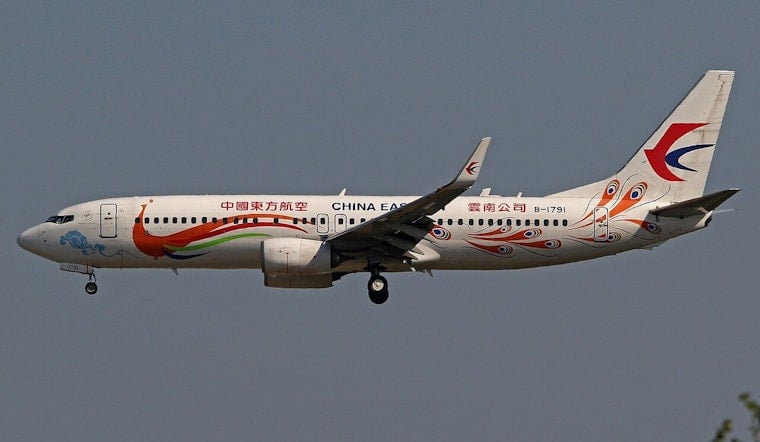
Freshly released U.S. flight-recorder data is sharpening the grim outline of China Eastern Flight MU5735. While the Boeing 737-800 was cruising on March 21, 2022, both engines' fuel-control switches moved to the "cutoff" position, the jet rolled hard, then plunged nose‑down, killing all 132 people on board. The final seconds captured in the data suggest control inputs and movements that aviation specialists say resemble an active struggle in the cockpit. The files, posted online this week after a U.S. Freedom of Information Act request, have reignited scrutiny of the four-year-old investigation.
What the NTSB file shows
According to the NTSB, the flight-data readout records the fuel-control switches for both engines moving from "run" to "cutoff" while the jet was at cruise altitude, followed almost immediately by decaying engine speeds. As reported by Reuters, the data also show large aileron inputs and a violent forward movement of the control wheel before the flight-data recorder lost electrical power at roughly 26,000 feet.
Recorders and the missing minute
The flight-data recorder stopped when the aircraft lost generator power, but the cockpit-voice recorder runs on a battery and kept capturing audio that has not been released publicly and remains with Chinese investigators. AP reports that the NTSB posted a technical download under FOIA but did not publish a cockpit-voice transcript, leaving the audio itself under the control of China’s Civil Aviation Administration.
Experts see a cockpit struggle
Aviation investigators who have reviewed the files say the control movements do not look like a smooth, preplanned maneuver. Instead, they appear to show opposing inputs, as if more than one hand were on the yokes. “It sure has the earmarks of a struggle in the cockpit,” former NTSB investigator Jeff Guzzetti told AP. Consultant John Cox noted that the 737’s fuel levers must be pulled up before they can be moved, which makes an accidental shutdown unlikely.
Four years on, a key public report is missing
More than four years after the March 21, 2022 crash, China’s aviation regulator has still not published a final accident report. That vacuum has turned the U.S. file into the first widely available technical record of the jet’s last moments. As Reuters and others note, international practice calls for prompt preliminary findings and, where possible, a final report within about a year. The delay has left families and outside investigators leaning heavily on the U.S. technical download for any fresh detail. For background on the timetables international bodies expect, see commentary on Annex 13 and reporting norms from IATA.
Why it matters
If the readouts do reflect deliberate cockpit actions, the fallout would not stop at aviation forums. The consequences could be legal, financial and regulatory, on top of the already devastating human toll on victims’ families. Lawmakers and aviation groups have long warned that pilots can be hesitant to seek mental-health treatment because medical disqualification and the recertification process can drag on for months. That tension is back in the spotlight as this FOIA release resurfaces questions about pilot screening and support, reflected in recent congressional discussions on pilot medical and recertification rules on Congress.gov.





_China_Eastern_Airlines_20191207.jpg)