

























































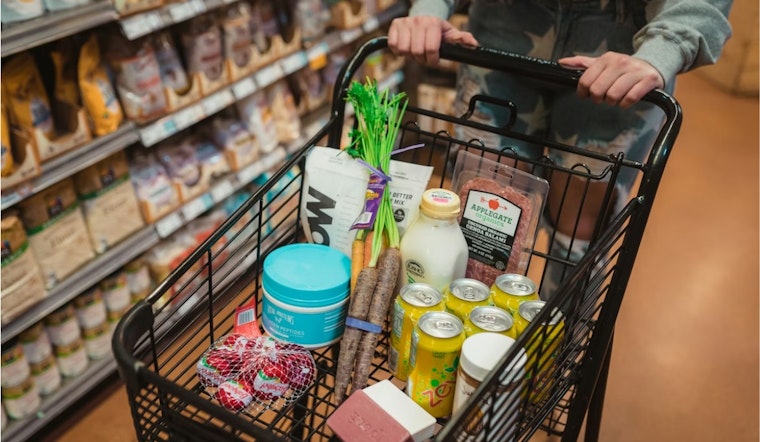
For Denver mother Jaleesa McIntosh, the weekly grocery run has turned into a constant calculation: pay the utilities or pay for a full cart of fresh food. Across Colorado, families describe the same squeeze, as tiny price bumps on dozens of staples quietly add up to a serious hit. That means more time chasing sales, more swapping to cheaper brands, and harder calls about what actually makes it onto the dinner table.
Federal data backs up what shoppers are feeling at the checkout. According to the U.S. Bureau of Labor Statistics, the "food at home" index rose 2.9 percent over the 12 months ending in April, while fruits and vegetables were about 6.1 percent higher over the same period. The energy index climbed 17.9 percent over those 12 months. Denver7 spoke with McIntosh and MSU Denver economist Kishore Kulkarni, who told the station that higher fuel and freight costs are pushing food prices up for households across Colorado.
Energy Shock And The Supply Chain
Beyond domestic supply and labor issues, analysts point to a global energy shock that has made it more expensive to move food from farm to shelf. The International Energy Agency's April Oil Market Report documented large supply losses tied to disruptions around the Strait of Hormuz and warned that inventories have been drawn down, creating a tight market that keeps both pump and freight prices elevated. Those higher energy costs ripple through every step of the food chain, from field to forklift to your cart.
How Families Are Coping
Shoppers are adjusting where they can, swapping pricier cuts of meat for cheaper proteins, picking up frozen or canned produce when fresh options feel out of reach, and leaning more heavily on sale cycles and coupons. Those tweaks can soften the blow in the short term, experts note, but they can also chip away at diet quality if families routinely skip fresh fruits and vegetables. As Denver7 reported, neighbors like McIntosh are already making those trade-offs while community organizations scramble to meet rising demand.
What Forecasters Expect Next
Looking ahead, government and industry forecasts suggest grocery inflation will move differently by category and could stay elevated through the summer. The U.S. Department of Agriculture’s Economic Research Service publishes a food-price outlook that tracks how various categories are shifting, and industry coverage has pointed to sharp April jumps in items such as tomatoes, beef, and coffee. Grocery Dive and others flag fuel costs and trade frictions as key drivers. Economists say watching fuel prices and seasonal travel demand can offer clues about whether the pressure on grocery bills eases or spreads.
Where To Find Help
For Coloradans feeling the crunch, local resources can help stretch a grocery budget and connect households with emergency food. Hunger Free Colorado runs a statewide food-resource hotline and helps residents navigate SNAP and pantry options, while the Food Bank of the Rockies partners with hundreds of local pantries across the Front Range. If you need assistance, Hunger Free Colorado's hotline at 855-855-4626 and the Food Bank's partner calendar list local food distributions and pantry locations.





