

























































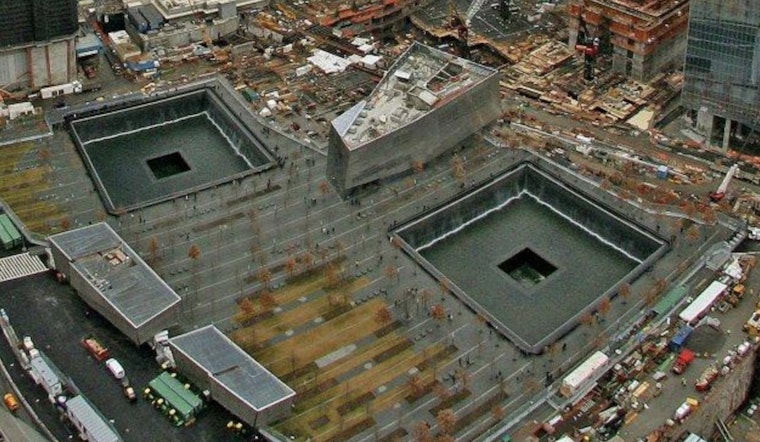
The 9/11 Memorial & Museum is quietly but significantly reshaping its annual September 11 commemoration at Ground Zero. This year, as the city prepares to mark the 25th anniversary of the attacks, the ceremony will include a seventh moment of silence, dedicated to people who later died from illnesses tied to their time at or near the World Trade Center site.
The new pause will be observed at the end of the traditional reading of names and is set to become a permanent part of the program. Museum leaders say the change acknowledges what grieving families and advocates have been saying for years: the human cost of 9/11 did not end on the morning of September 11, 2001.
What The Museum Announced
The museum's board approved the additional moment of silence to be held immediately after the final name is read. It will not replace any of the existing pauses. Instead, it adds a new, defined space in the ceremony to honor those who died years later because of 9/11-related illnesses.
Chairman Michael R. Bloomberg said the new pause is intended to ensure that "we never forget every life lost on that day and in the years since," as reported by ABC7 New York. Museum officials emphasize that the addition is meant as a formal recognition of a group of victims who, for a long time, were mostly honored outside the official script of the day.
How The Ceremony Will Shift
For more than twenty years, the Ground Zero commemoration has centered on six moments of silence that mark the times the planes struck the Twin Towers and the moments the towers fell. Those pauses, followed by the reading of victims' names and the tolling of a bell, have come to define the ceremony, as outlined by the 9/11 Memorial & Museum.
That basic structure is not being upended. The reading of the names will continue in its familiar order, and the existing moments of silence will remain where they are. The new seventh pause will come only after the final name is read. Organizers say the shift creates a clear, shared moment for families and attendees to honor those who became sick and later died because of their exposures at or near the site.
The Toll Behind The Pause
The decision did not come out of nowhere. Data from the World Trade Center Health Program show 54,956 cancer certifications among program members as of March 31, 2026, underscoring the long tail of health consequences connected to the attacks. Reporting by ABC7 New York notes that advocates and program officials estimate deaths from 9/11-related illnesses in the thousands.
Those stark numbers, and the steady climb in illness certifications over the years, helped push museum leaders to fold this broader reality into the ritual at Ground Zero, particularly as the 25th anniversary approached.
Advocates And Policy Context
Behind the ceremony is a long political and emotional fight. Advocates, survivors, and responders have spent years pressing lawmakers for both formal recognition and long-term financial support for those suffering from 9/11-related conditions.
This winter, Congress moved to lock in that support. A long-sought funding fix for the World Trade Center Health Program was tucked into the federal government funding package for fiscal year 2026, which was signed earlier this year, according to ABC News.
Advocacy organizations such as Citizens for the Extension of the James Zadroga Act say the health program now serves roughly 137,000 responders and survivors. Rising cancer counts and continued enrollment, they argue, make permanent, predictable funding non-negotiable.
The seventh moment of silence will debut at this year's 25th commemoration on September 11 and, museum leaders say, will remain part of the annual ritual going forward. Families participating in the reading of names, along with New Yorkers and viewers around the country, will still see the familiar sequence of bell tolls and pauses, followed by the traditional roll call of the dead.
This year, though, they will also see something new: a final, dedicated silence honoring those who survived the day itself, only to be claimed by its aftermath. For information on how to attend or follow the ceremony, the memorial's public information pages carry the latest guidance.





